 The Count · Nº 01
Fan Noli's seventeen tapes. Vatra at 114. Flag Day in nine cities. And the count so far, 1,650 of a million.
In this issue · Issue Nº 01
There are an estimated one million Albanian Americans. The Census counts 230,000. The rest of us live in between — in hundreds of organizations that share no map, and families whose history was never written down. This is where we come together: every issue brings you our events, our history, and the Albanian Americans worth being proud of — so the heritage you carry is kept, honored, and carried forward, not lost. It's how a scattered people becomes a stronger one, and a force for good.
- 01A letter from Ervin — everything has a start
- 02The Seventeen Tapes — a daughter saves Fan Noli's voice
- 03Why we count, and the state of the community
- 04Heard in Texas — three owners, one congressman
- 05By the numbers
- 06The first endowed chair of Albanian Studies in America
- 07Alba — a Boston restaurant, and the man who swam out of Albania
- 08Voices — Albanian American creators, unscripted
- 09Vatra, the hearth, 114 years on
- 10What's happening — events and Flag Day
- 11The double-headed eagle — every origin theory
- 12The Archive — the parade the history books forgot
- 13What we're reading: Lifting the Iron Curtain
- 14Dua Lipa is paying attention
- 15We're with the people
From the archive: Identity · Fan Noli’s tapes · Vatra · The 2020 citizenship law · Little Albania in the Bronx
A letter from our founder
Everything has a start.
Every community that lasts has a moment when it decides to be counted. This is ours.
We have always been more than a number. But the number is how the country around us decides what we get: which languages a hospital prints, which neighborhoods a candidate bothers to visit. Uncounted, we are easy to pass over. Counted, we are impossible to erase.
The Count is a record we build together, one name at a time, not a directory or a campaign. We build it so the people who come after us inherit proof. Proof that we were here, that we looked out for one another, and that we did the quiet work of writing ourselves into the American story.
Albanian America did not begin with us. Fan Noli and the generation around him turned on a light and kept it burning through hard years. Our task is simple. Keep it lit, and hand it forward a little brighter than we found it.
Everything has a start. Thank you for being part of this one.
Ervin ToroFounder, National Albanian Registry
The Lead
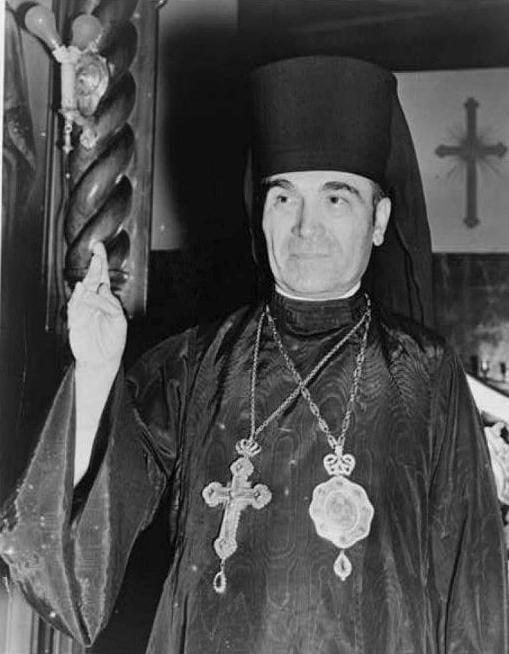
The Seventeen Tapes
A daughter, her father's reels, and the history the Voice of America taped over
Louis M. Prifti was the Voice of America's Special Events Correspondent. When the Albanian Service covered Fan Noli, the archbishop and statesman who translated Shakespeare into Albanian and is Albanian America's founding figure, Prifti did something the agency itself would not. He kept the tapes.
VOA was taping over its own history. He took the originals home.
He died in 1984, and the reels stayed in the family. His daughter, Joanne Prifti-Nicholas, has had them digitized: seventeen recordings, some of Noli speaking, others of the events around him, including his funeral and a Harvard symposium held years after his death for the centennial of his birth. Three former chiefs of the VOA Albanian Service have told her the same thing, that these survive because her father kept them. When the Library of Congress searched its own holdings and the National Archives, it found nothing from this effort.
The recordings are in the public domain; VOA confirmed it. The family asks one thing: that Louis Prifti be cited as the original recordist wherever they travel. Attribution honors a life's work, and it lets scholars trace these recordings to their source.
Where the collection lands is taking shape. The original reels are headed to the Library of Congress for provenance, and the works are gifted to the Albanian Orthodox Archdiocese, the church Noli built. From there, distribution continues: archives, libraries, scholars, and diaspora institutions in the United States and abroad, so the recordings keep traveling.
Nobody asked him to keep them. He kept them anyway. That is the only reason they exist.
How we know this. From NAR's conversations with Joanne Prifti-Nicholas. Louis M. Prifti (1914-1984) was the Voice of America's Special Events Correspondent, and VOA confirmed the recordings are in the public domain.
Why we count
One community.
Shqiptaria in the United States.
You counted yourself. That put you into something most Albanians in America have never had: one place where we're all together — the big enclaves, and the families who figured they were the only Albanians for a hundred miles.
The Census sees 230,000 of us. The truth is closer to a million. What isn't counted is easy to overlook, and easy to erase. The count is Albanian America refusing both. Yours is in it.
Shqiptaria është më e madhe se vetë Shqipëria.There are more of us than Albania holds.
Shqiptaria is all of us — Albanian, Kosovar, Çam, Arbëresh, first generation or fourth. You're already in.
The Feature
Heard in Texas
Three restaurant owners, one congressman, and a lesson in being counted
In February 2026, the Congressional Budget Office priced out a bill about fifty-seven thousand ethnic Albanians in southern Serbia. It reached Congress because of three restaurant owners in suburban Dallas.
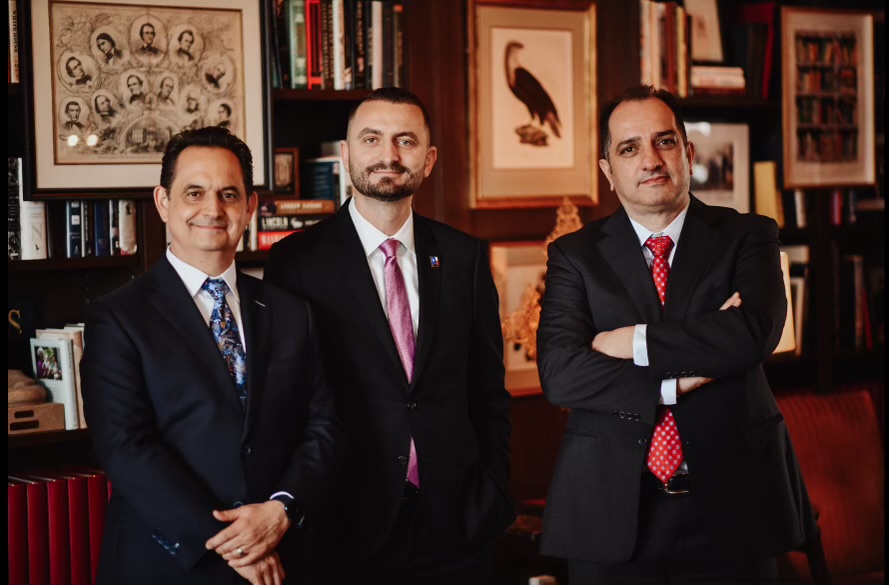
Doc Vranici runs Brothers Pizza in McKinney. Gino Mulliqi owns Napoli's in Wylie, where he sits as Mayor Pro Tem, the first Albanian American elected to public office in Texas. Gezim Rushiti runs a set of hospitality companies. None of them are lobbyists. All three are founding members of Albanians For America, and all three are constituents of Representative Keith Self, who chairs the House Foreign Affairs Europe Subcommittee.
They did the ordinary thing almost no one does. They built standing in their own towns first, then introduced their congressman to the national advocacy groups who had worked Balkan policy for forty years, and they stayed in the conversation. By spring 2026 that work reads as a bill, a Kosovo-NATO resolution, and a subcommittee hearing on the record. The cluster crosses both parties. It worked because it was civic, not partisan.
A counted community is a different kind of constituent.
There is a wall every one of these stories hits. When Texas first reached out, federal data did not show an Albanian American constituency in the 3rd District at all. The relationship had to be built from zero, in person. That works once. It does not scale. The next community in the next district starts from the same blank number.
What three Texans did by force of personality, a counted community could do by force of arithmetic. That is what the count is for.
How we know this. Drawn from congressional records and the Albanian American press. H.R. 6411 and the April 2026 Kosovo-NATO resolution are on Congress.gov; the Texas organizing is documented in Dielli and local Texas coverage.
The state of the community
309 organizations mapped so far. 27 states.
309 organizations across 27 states and 174 cities that we have mapped so far, and almost none of them know what the others are doing. Not a verdict on the community. A web being drawn.
By the numbers
What the count already shows
No one kept this count before now. Every figure here comes from Albanian Americans who chose to be counted, and to be part of us.
Shqiptaria është më e madhe se vetë Shqipëria.
Who has been counted so far
70% college-educated · 68% foreign-born · most are 25 to 44
From the first 1,650 people counted. Self-reported by registrants, a self-selected sample, not the general population. Shares are of those who answered each question.
This Month in Albanian America
The First of Its Kind
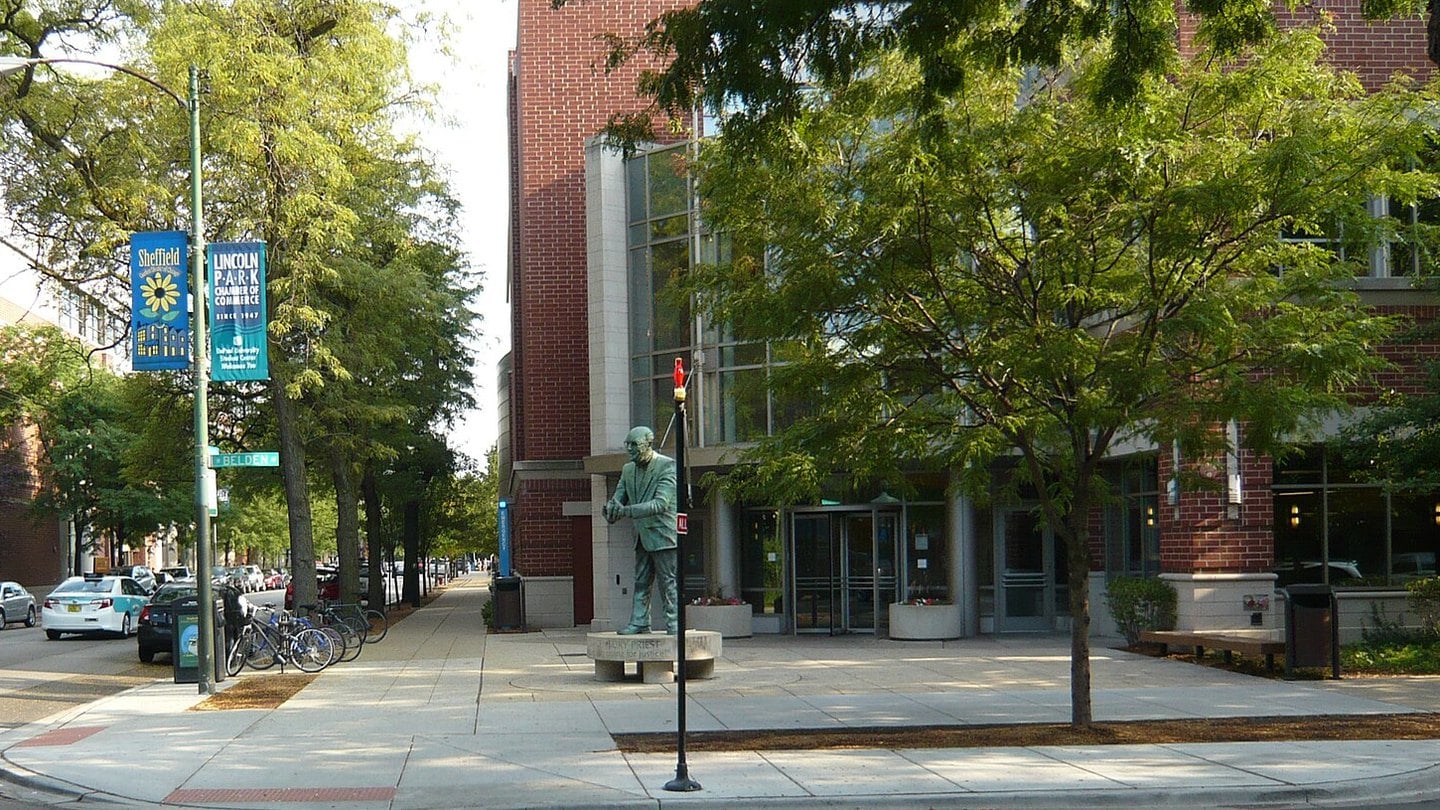
In 2019, DePaul University in Chicago established what it calls the first endowed chair of Albanian Studies in American academia: the Hidai “Eddie” Bregu Chair, funded by an Albanian-American donor. A handful of universities teach Albanian somewhere on campus. DePaul is the first to build a permanent program around it, a chair with a name on it and money behind it.
The chair is held by the writer Gazmend Kapllani, author of A Short Border Handbook, whose subject, borders and the people who live between countries, is exactly what the program studies. But the story here is the institution, not the appointment: an Albanian-American community that funded its own permanent place in the American academy.
For a community estimated at close to a million people, that one endowed program says something uncomfortable: how much of our history is still sitting unexamined, in attics and church basements and Library of Congress files, waiting for someone with the time and the standing to organize it.
How we know this. DePaul describes the Hidai "Eddie" Bregu Chair as the first of its kind in American academia; Kapllani has directed it since 2019. More in "Albanian American Identity."
If you’re in Boston
Alba
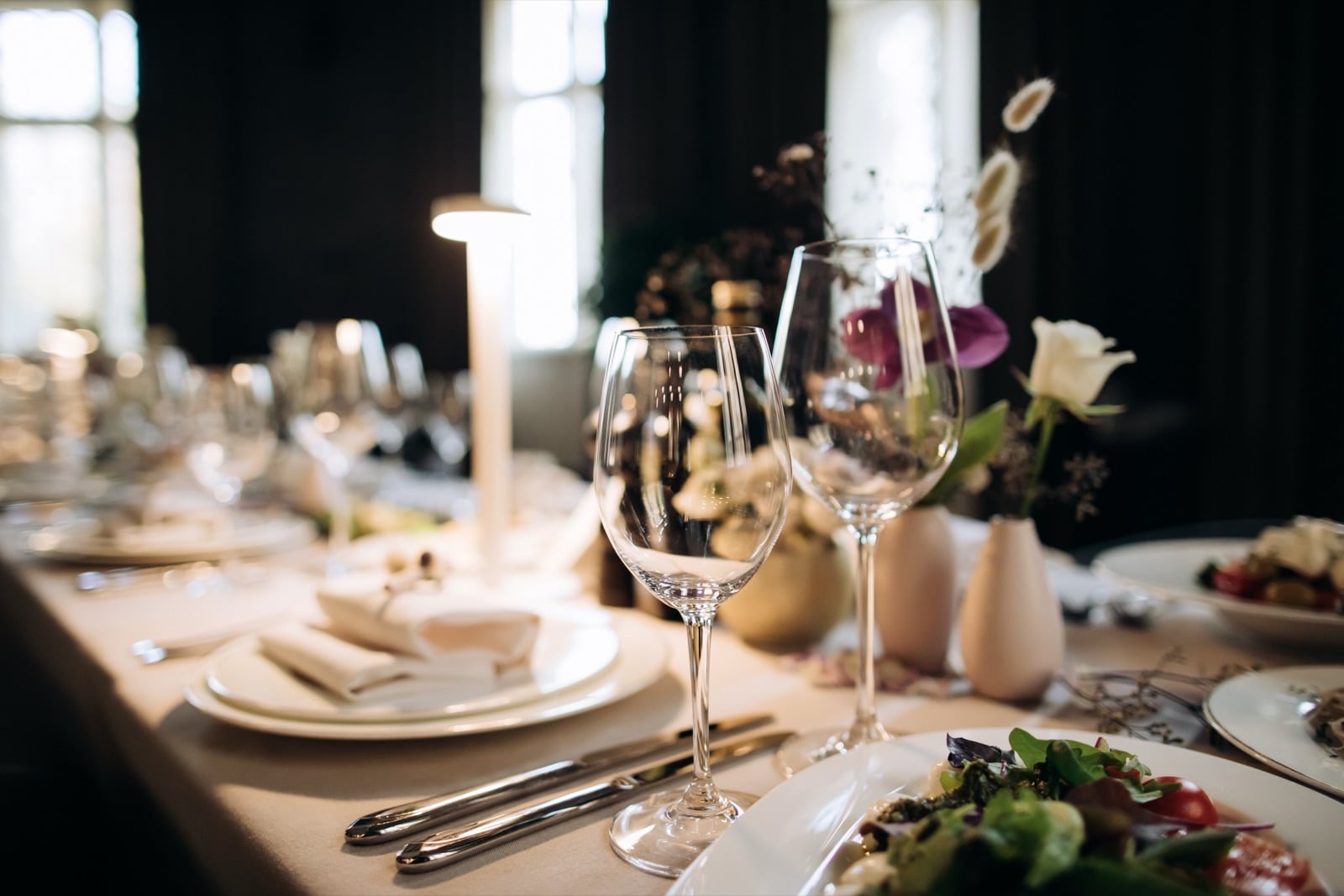
Twenty minutes south of Boston, in Quincy, Alba has served prime steak and seafood since 2001. What makes it worth the drive is the man who built it. Leo Keka left Albania in 1990 by swimming across a lake into Montenegro, spent about a year in a Serbian prison and in refugee camps, reached Massachusetts, and started out washing dishes. Roughly a decade later he opened a restaurant of his own.
Nothing on the menu is Albanian, and that is part of the point. Alba is not a heritage restaurant. It is the quieter kind of evidence: a man who arrived with nothing and built an American institution that has lasted more than twenty years. A lot of Albanian America looks exactly like this, carrying no flag on the sign.
If you’re in ___. A new, unpaid guide to the Albanian America you can visit. No one paid to be here. See more at the places guide.
In their words
Why they got counted
Albanian American creators, unscripted. Tap to play with sound.
The Hearth, 114 Years On
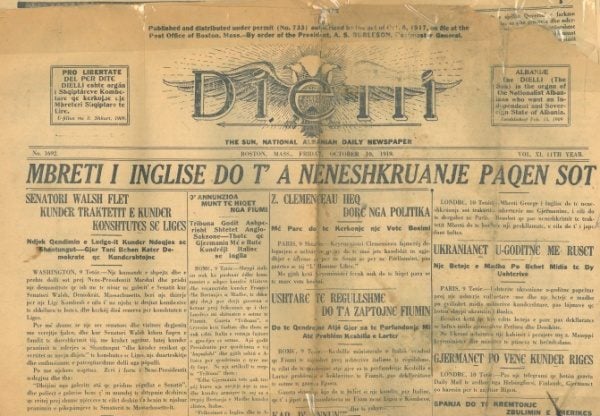
If you want to understand how old this story is, start with Vatra. The Pan-Albanian Federation of America was founded in Boston in April 1912 by Faik Konica and Fan Noli, months before Albania itself existed as a state. Its name means "the hearth."
Its newspaper, Dielli, had already been printing since 1909 and still publishes today. From those first chapters across Massachusetts, New York, and the Pennsylvania coal country, Vatra carried the case for Albanian independence to the 1919 Paris Peace Conference.
More than a century later, headquartered now in the Bronx, Vatra is still going, the oldest continuously operating Albanian American organization in the country.
Ervin Toro, NAR's founder and chair of the New York chapter of the Albanian American National Organization, calls it one of the oldest.
What's happening
And on Flag Day, Nov 28-29 - Festa e Flamurit in Boston, Philadelphia, Garfield, Trumbull, Cleveland, Kenosha, Naples, Elmhurst, and Rochester Hills. Nine cities. Nine states. One holiday.
The Count
What being counted opens up
Coming to your account: your family tree, and new ways to find each other.
Already counted? Forward this to one person. Not yet? It takes two minutes.
Figures as of August 2026. The ~1,000,000 figure is a community estimate, not a census-grade count. See how we count →
Yours to frame
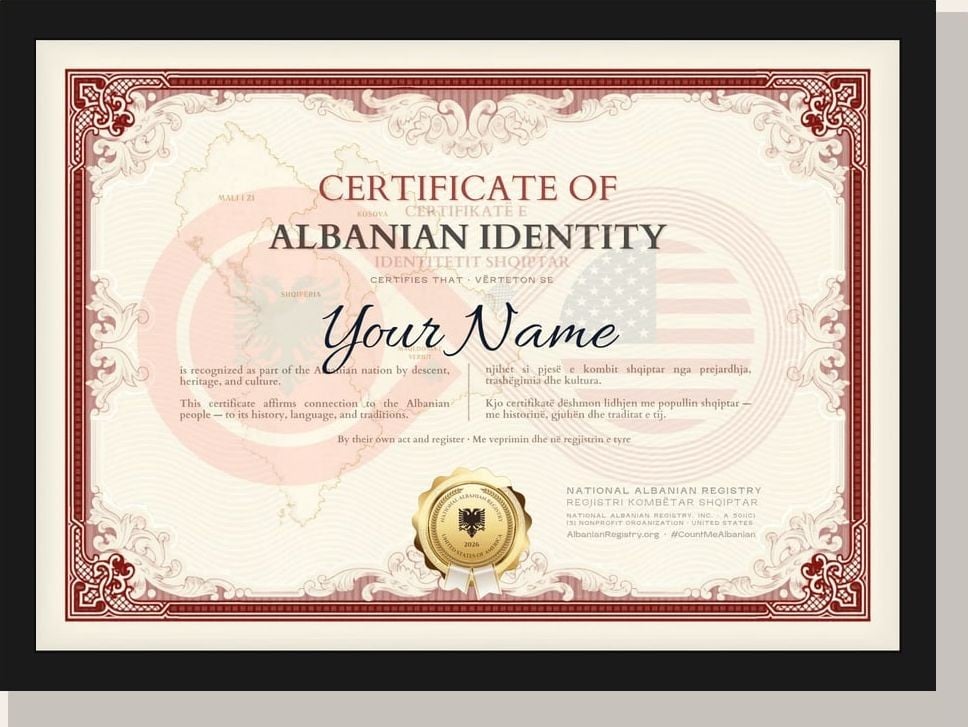
The Certificate of Albanian Identity
You're counted, so the certificate is already yours — your name in English and Albanian, signed, verifiable, and free for good.
There's also a version you can hold. The Infinity design on museum paper, framed to last, or the heritage edition, mounted for the wall. The kind of thing that ends up in a hallway, and one day in a story a grandchild tells.
No rush, and no pressure — it's here whenever you want it. A share of every framed edition keeps the count free for the next person.
The framed editions live in your account — the one you got when you registered. Sign in with that same email and we'll send you a one-time link. No password to remember.
Coming soon
Your family tree, on the record
A family tree is coming to your NAR account. Start with yourself, add the people you come from — names, dates, the towns they left — and connect the relatives who carry the rest, here and across the ocean.
Two generations is all it takes for a name to go quiet. This is built so it doesn’t. Private or public, always yours.
Everyone who’s been counted gets it first. In development, no date yet.
Would you use this? Tap to let us know.
Most read on albanianregistry.org
What Albanian America keeps coming back to is not the news of the day. It is the questions about who we are, where the name came from, and what gets passed down.
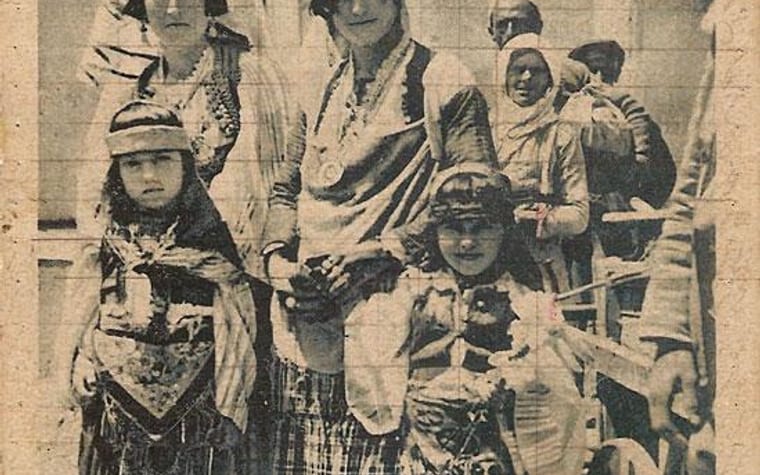
The single most-read thing we've published
Albanian Names: Meanings, Origins, Popular Boys, Girls & Surnames
A name holds a region, a family line, sometimes a faith. This guide traces where Albanian names come from and what they mean, and why the people who keep theirs stay legible in the record instead of blending quietly out of it.
Read the story →More from this column
- Famous Albanians: 30 Notable Figures from Albania and the Diaspora
- Albanian Soccer Players: 15 Stars from Three National Teams
- Xhamia e Plumbit: Shkodër's 18th-Century Lead Mosque
- Albanian Wedding Traditions: Customs, Music, and Rituals
- Tarator: The Cold Yogurt-Cucumber Soup of the Albanian Summer
What Albanian America is searching for right now. The full archive →
Notable Albanian Americans
The people who refused to let Albanian America be invisible.
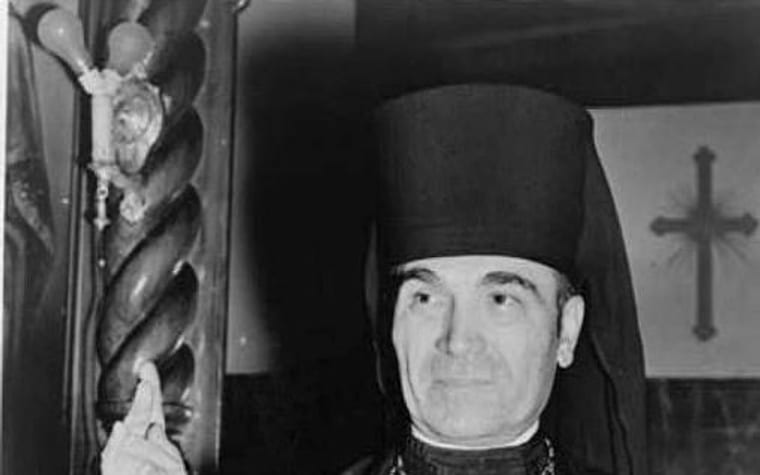
Where it starts
Fan S. Noli (1882-1965): Founder of Albanian-American Life
Archbishop, statesman, translator. He built a church and helped build a nation, and he did it from Boston. Albanian America starts with him.
Read the story →MORE FROM THIS COLUMN
- Faik Konica (1875-1942): Architect of Albanian-American Media
- Ferid Murad: Albanian-American Nobel Laureate in Medicine
- Kristo Kondakci: Albanian-American Conductor in Boston
- Albanian American Civic League (AACL): The 1989 Lobby
- Five Albanian Americas: The Five Waves That Built the U.S. Diaspora
The people and institutions that built Albanian America. Know someone who belongs? Nominate them →
Albanian history
Before there was a diaspora, there was a nation that had to fight to exist. We keep the record so it isn't lost.
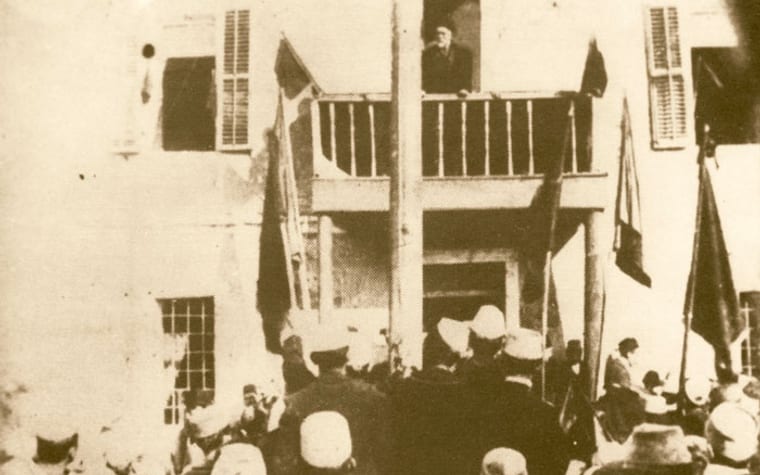
The founding record
Albanian Declaration of Independence, 1912: The Day a Nation Began
On November 28, 1912, in Vlorë, a handful of men declared Albania into existence. That record matters more now that the country is emptying out.
Read the story →More from this column
Albanian trivia
How well do you know Albania?
Five questions. Tap an answer.
Myth & legend
These stories carried what it meant to be Albanian long before anyone wrote a word of it down, and they only survive if we keep telling them.
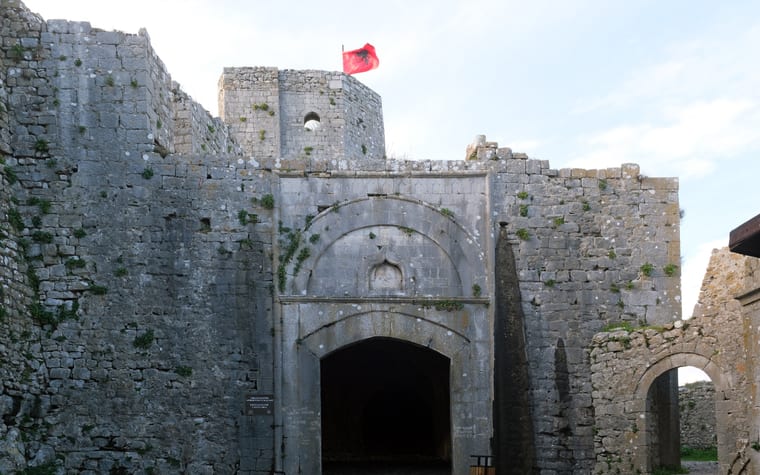
The oldest story
Rozafa: The Legend of the Mother Walled into the Castle
A mother sealed into the castle wall so the stone would finally hold. It is the oldest and hardest story we tell about what sacrifice costs.by Nalvi Duro
Read the story →More from this column
Where it comes from
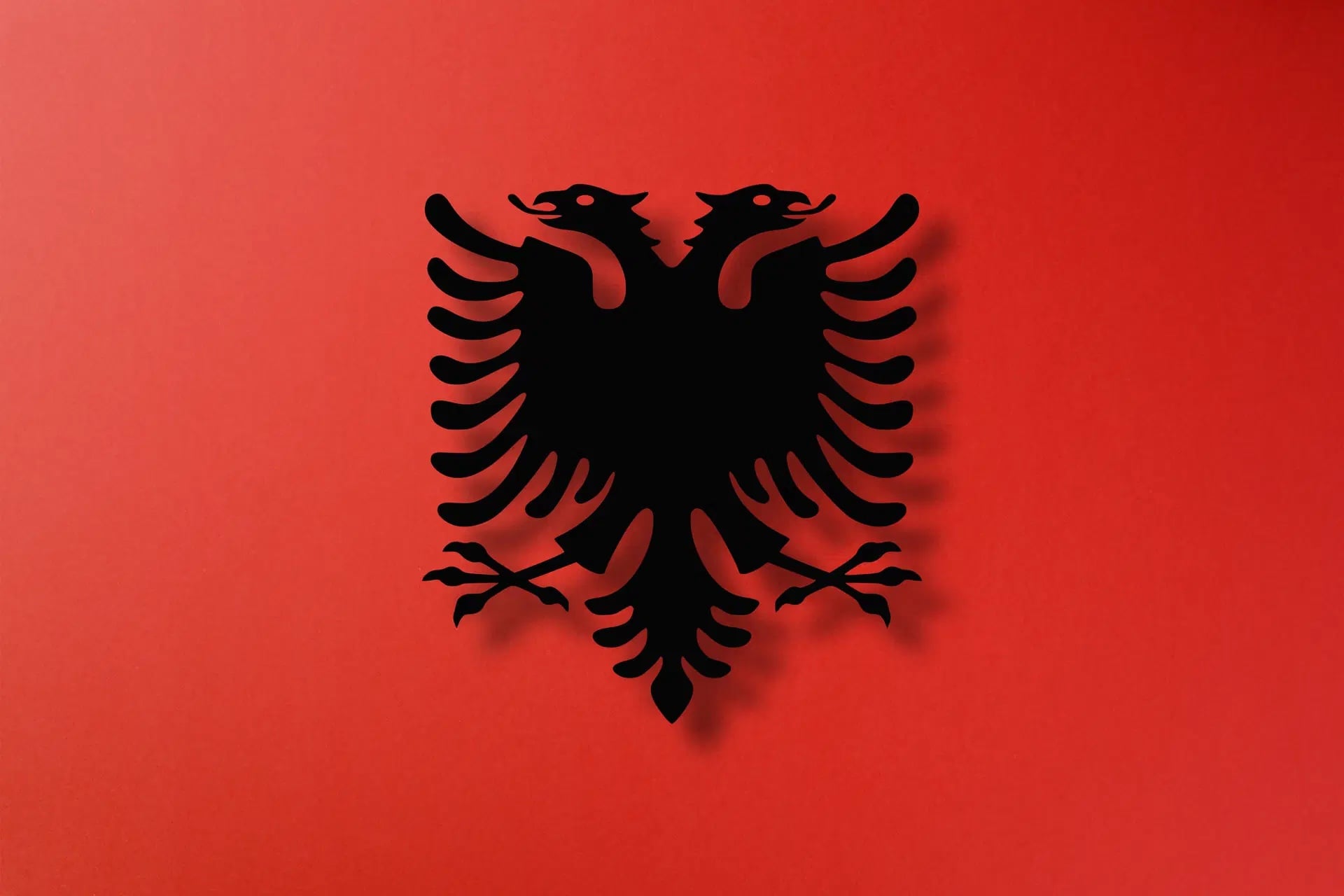
The double-headed eagle
This one hijacked our monthly ambassador call — the hour a handful of us spend on how to grow NAR. Someone brought up the double-headed eagle, and within a minute everyone had a different story for where it came from, and nobody would budge. One of us said a people that can't agree on its own symbol has a problem. Another said the arguing is the tradition. We didn't settle it, so we went and read everything.
The documented line runs through Byzantium. The two-headed eagle was the imperial emblem of Constantinople, adopted by the noble Kastrioti family and raised as a red war banner by Gjergj Kastrioti Skanderbeg when he united the Albanian princes at the League of Lezhë in 1444. When Ismail Qemali declared independence at Vlorë in 1912, that same design became the flag.
But not everyone accepts a medieval borrowing. A second view traces the eagle to the Illyrians, the ancient people most Albanians claim as ancestors, and argues the symbol was carried down from antiquity rather than imported from an empire. The surviving evidence does not close the question, which is exactly why it is still ours to argue.
Read every theory, then decide for yourself →
Where do you think it comes from?
The Archive
The Parade History Forgot
An Albanian society marched through a Connecticut mill town in 1921. One newspaper noticed. The town's own histories didn't.
On a Saturday afternoon in late June 1921, a field day opened with a parade through the mill village of Grosvenordale, Connecticut. The marchers assembled at the fire station and stepped off in ranks: the Band Canadien, the Guard Martial, the Swedish Society, and then, between the Swedes and the Knights of Columbus, the Albanian Society. Afterward there was a tug-of-war. The Albanians lost it to the French-Canadian hosts, but the local paper gave them their due: what they lacked in practice, it said, they made up in strength.
That is the entire record. One column, in the Putnam Patriot, one hundred and five years ago. The published histories of Grosvenordale carefully name its French-Canadian, Irish, Swedish, Greek, Romanian, and Turkish mill workers. The Albanians are in none of them. The only proof that an organized Albanian community stood on that street in 1921 is a few lines of newsprint almost nobody has read since.
This is what erasure usually looks like. No fire, no purge. Just a community that showed up, organized, and marched for one afternoon, then got left out when the history got written. We found this the hard way, searching the Library of Congress newspaper archive page by page. There are more of these, one notice at a time, waiting in files nobody has opened. Finding them is the same work as counting the living.
They formed a society and marched down a mill-town street. It took a century and a newspaper scan to prove they were ever there. You can put yourself on the record in a way they never could.
How we know this. Putnam Patriot (Putnam, Conn.), July 1, 1921, page 5, digitized by the Library of Congress (Chronicling America, LCCN sn84022396). NAR found the notice by searching the LoC's digitized-newspaper archive for Albanian organizations in the 1920s; the Grosvenordale field day was the one clear Albanian-American parade the entire decade turned up.
What we're reading
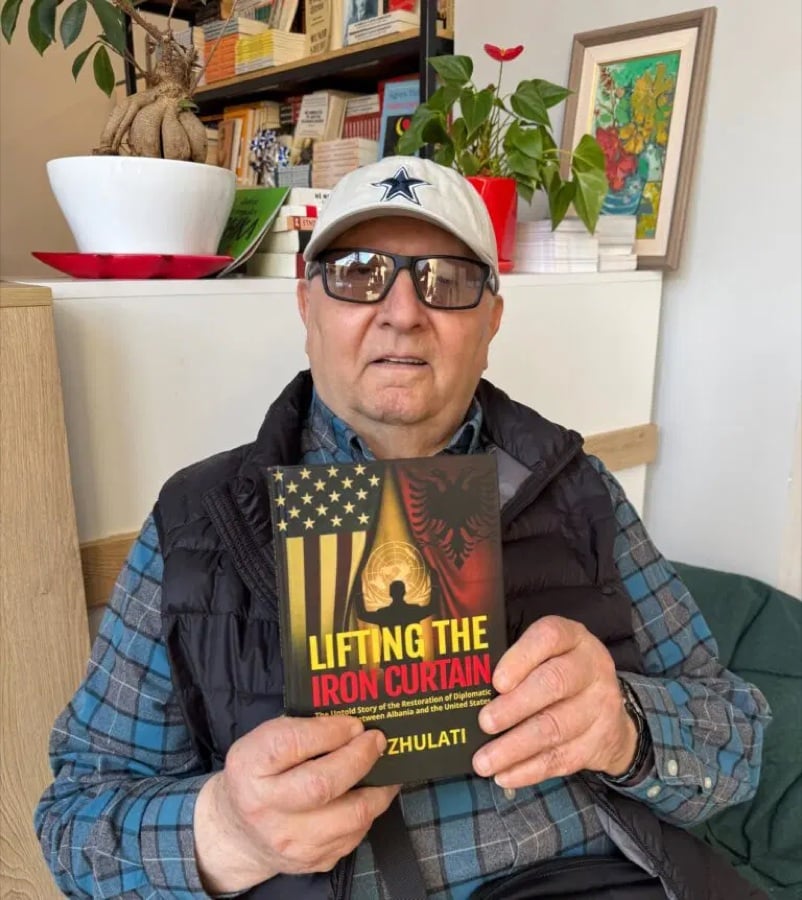
Lifting the Iron Curtain
By Dr. Ilia Zhulati, co-written with his son Enri Zhulati, NAR's editor in chief
For more than fifty years there was no line between Tirana and Washington. Albania was the most sealed country in Europe, and to the United States it barely existed on paper. This memoir is the untold story of how that changed, told by one of the men who helped change it.
Dr. Zhulati served at Albania's mission to the United Nations in the 1980s. Working quietly alongside the Northwestern sociologist Charles Moskos, he carried a back channel that ran from a risky backyard meeting in 1985 to the 1991 ceremony that restored relations between the two countries after more than five decades of silence. His son Enri, who edits the record you are reading now, co-wrote the book with him.
Read the ebook · Listen to the audiobook
Why we're featuring it. The count exists because Albanian Americans wrote themselves into the American story. This is one family's record of doing exactly that. For the history, see NAR's "Albania-US Relations: A Century of Diplomatic Ties."
More on the shelf. It's the first title on a shelf we're building. The full NAR reading list collects the Albania books we've read, from Lea Ypi's Free to football under Hoxha, each with a page of its own.
Community pulse
What worries you most about Albania’s future?
Anonymous, one tap. Your answer joins the count.
The world is listening
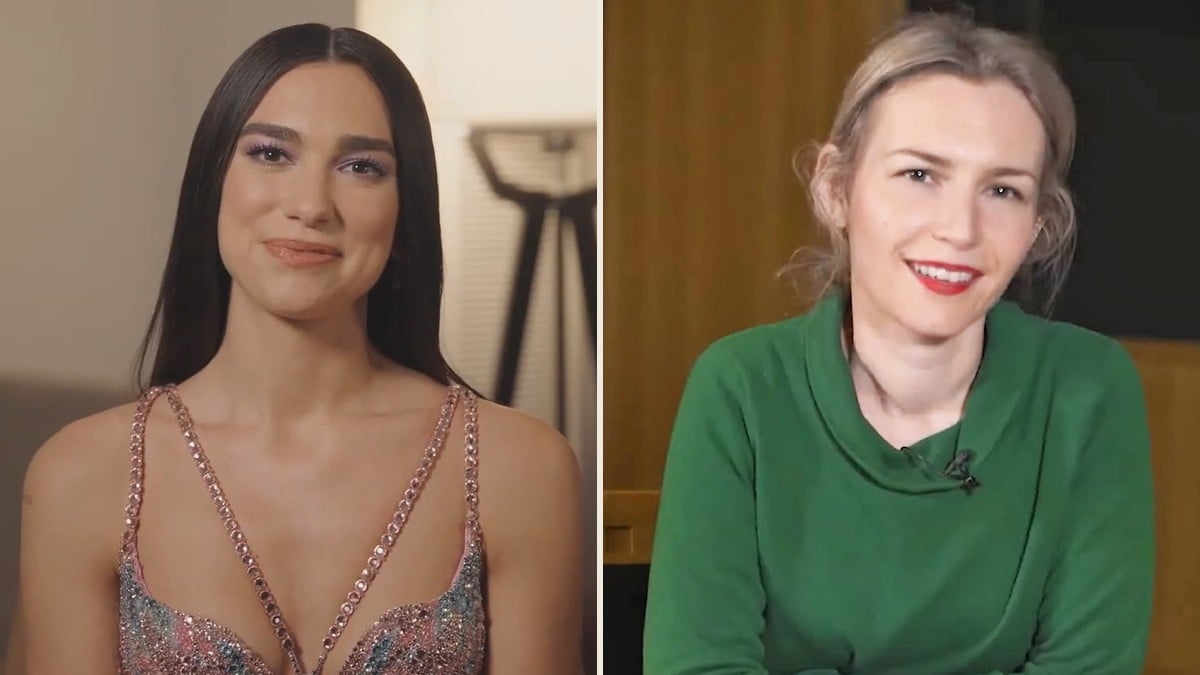
Dua Lipa is paying attention
When Dua Lipa opened her Service95 Book Club to the writer Lea Ypi, the conversation turned to the coast. Ypi, who grew up in Albania and now teaches at the London School of Economics, walked Lipa and her readers through what is happening at Sazan Island and along the Vjosa: a government moving to sell the country's last wild shoreline, and a diaspora that will not let it happen quietly.
It matters that the most recognized Albanian name in the world used it to point back home. For much of Lipa's audience, this was the first they had heard of any of it. That is how a fight over a beach becomes a story the rest of the world can finally see.
From here, with Albania
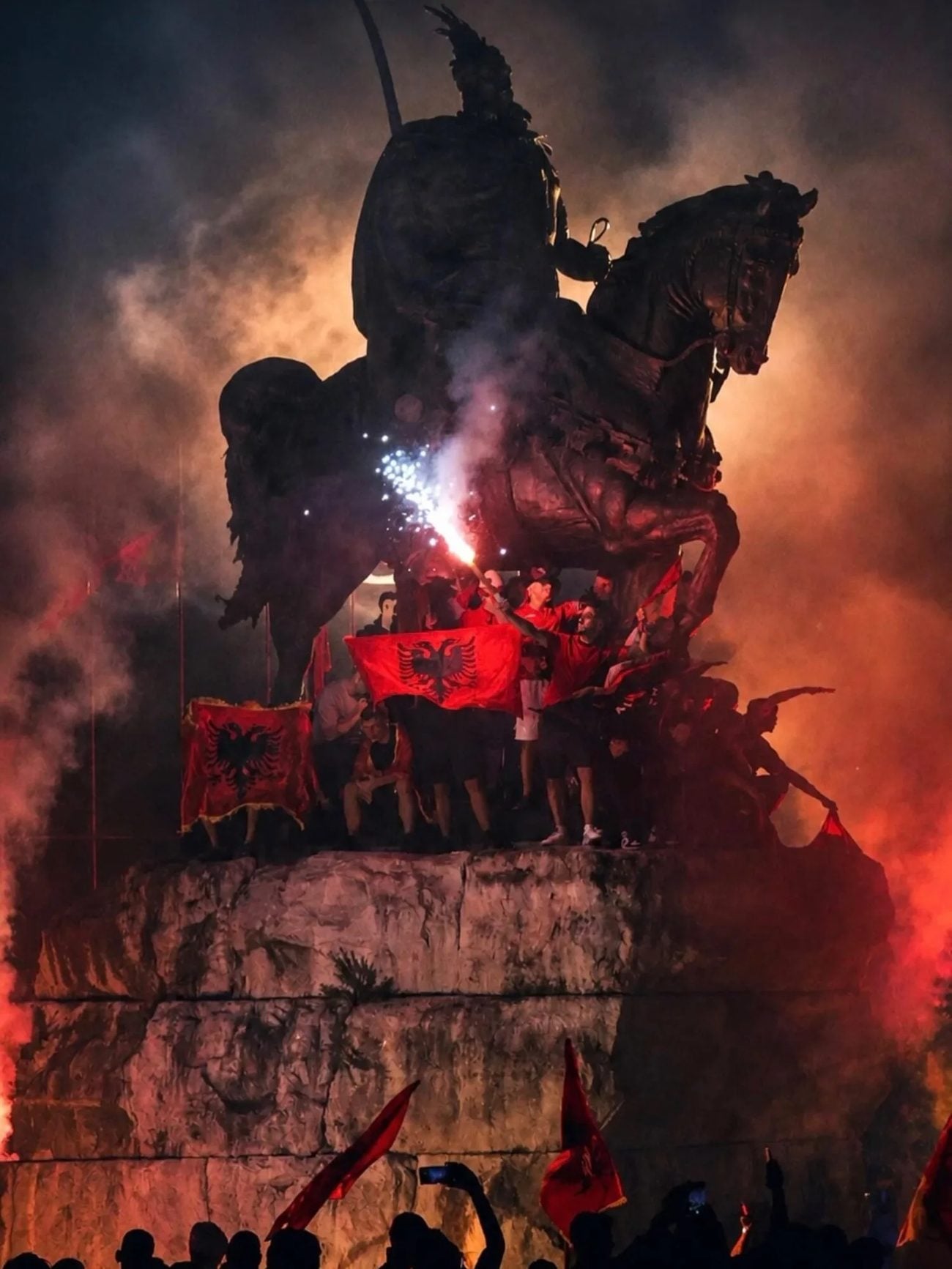
We're with the people.
Albanian America has been part of Albania's story from the beginning. Fan Noli argued a nation into being from a pulpit in Boston. At the Paris Peace Conference of 1919 and 1920, Woodrow Wilson refused to let the great powers carve Albania up and parcel it out to its neighbors. In the hundred years since, the diaspora has never stopped showing up for the homeland.
This time it began on the coast. The government moved to open Albania's last wild shoreline to developers and foreign resorts, among them the protected Narta lagoon near Vlorë and the mouth of the Vjosa, where flamingos still nest. A country that had watched itself sold off quietly for years finally had something it could stand in front of. What began as a fight over a beach turned into a reckoning with the thirty-five years that led there.
The anger is not aimed at one project or one man. It is aimed at a political class, the socialists and the self-described democrats alike, that inherited one of the youngest populations in Europe and hollowed it out. Albania counted 3.2 million people in 1991. It counts about 2.4 million today. One in three Albanians now lives abroad. The schools tell it fastest: roughly 750,000 children then, around 400,000 now. Fifty thousand people still leave every year, more than left during the collapse of the 1990s.
They wiped out the country's savings in the pyramid schemes of 1997. They are selling its protected coast in 2026. Leaders of both parties sit under indictment while the country loses four people an hour. Whether they planned the exodus or only profited from it, they never once tried to stop it.
That is why the diaspora marches in Vlorë and Tirana, and in Milan, London, Toronto, and New York. We are the evidence. Nobody flees a country that works.
We are not a political party, and we do not back one. We stand for the right of Albanians everywhere to be heard, and for the land and the heritage that made us.
Read our coverage of the first New York gathering →
What do you make of the moment in Albania?
The Albanian World
Shqiptaria is bigger than Albania.
About 2.4 million of us live inside the country’s borders. Most Albanians alive today do not: Kosovo and the villages of Macedonia, the Arbëresh towns of Italy, a diaspora from Detroit to Melbourne. A people this scattered was never going to be counted by any single state. So we count ourselves.
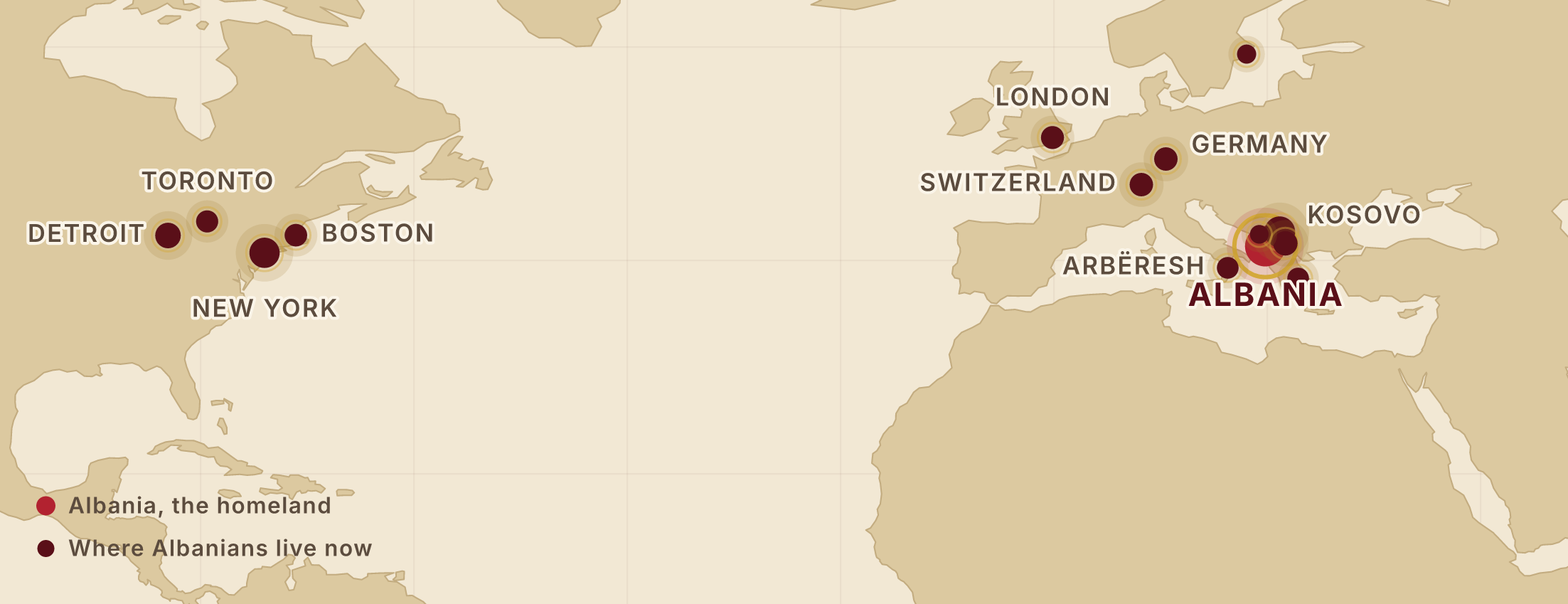
This issue is full of famous names, but the count was never about them. It's about the rest of us. If you're reading this, you're probably already counted, and for that, thank you. What's missing now isn't you. It's the cousin two states over, the family that never filled anything out, the friend who keeps meaning to. The count grows one name at a time, and the next one is usually someone you know.
A note on how this is kept
NAR is run by volunteers. Nobody is paid. The count, the archive, and this newsletter are built and given away for free.
We do not sell advertising. We do not sell your information. If the people who read this decided to keep it going, it would cost each of us very little.
Most readers scroll past an appeal like this one. If you have read to the end, you are exactly the kind of person who keeps a record like this alive. A gift of any size helps us count the next thousand.
NAR is a 501(c)(3). Gifts are tax-deductible. Nobody is paid, and the count is free.
Be counted · Add an event · Nominate someone
Know someone whose story belongs in this record? A person, a family archive, a piece of history nobody wrote down? Tell us.
@countmealbanian · #CountMeAlbanian
Was this issue worth your time?
Help the next person say yes
Someone still deciding whether this is real will trust another Albanian before they trust us. A line from you is what tips them — with your OK, we'll share it.
Thank you. We read every one.
Shtatëmbëdhjetë shiritat e Fan Nolit. Vatra në 114 vjet. Festa e Flamurit në nëntë qytete. Dhe numri deri tani, 1,650 nga një milion.
Në këtë numër · Numri Nº 01
Vlerësohet se ka një milion shqiptarë amerikanë. Regjistrimi zyrtar numëron 230,000. Pjesa tjetër jetojmë në mes — në qindra organizata që s'kanë një hartë të përbashkët, dhe familje historia e të cilave s'u shkrua kurrë. Këtu bashkohemi: çdo numër të sjell eventet tona, historinë tonë, dhe shqiptarët amerikanë për të cilët ia vlen të krenohesh — që trashëgimia që mbart të ruhet, të nderohet dhe të çohet përpara, jo të humbasë. Kështu një popull i shpërndarë bëhet më i fortë, dhe një forcë për të mirë.
- 01Një letër nga Ervini — gjithçka ka një fillim
- 02Shtatëmbëdhjetë Shiritat — e bija ruan zërin e Fan Nolit
- 03Pse numërojmë, dhe gjendja e komunitetit
- 04Të dëgjuar në Teksas — tre pronarë, një kongresmen
- 05Në shifra
- 06Katedra e parë e financuar e Studimeve Shqiptare në Amerikë
- 07Alba — një restorant në Boston, dhe burri që doli nga Shqipëria
- 08Zëra — krijues shqiptaro-amerikanë, të paskenar
- 09Vatra, vatra jonë, 114 vjet më vonë
- 10Çfarë po ndodh — evente dhe Festa e Flamurit
- 11Shqiponja dykrenare — çdo teori origjine
- 12Arkivi — parada që librat e historiës e harruan
- 13Çfarë po lexojmë: Hapja e Perdes së Hekurt
- 14Dua Lipa po e ndjek nga afër
- 15Jemi me popullin
Nga arkivi: Identiteti · Shiritat e Nolit · Vatra · Ligji 2020 · Little Albania në Bronks
Një letër nga themeluesi
Gjithçka ka një fillim.
Çdo komunitet që zgjat ka një çast kur vendos të numërohet. Ky është i yni.
Kemi qenë gjithmonë më shumë se një numër. Por numri është mënyra si vendi rreth nesh vendos çfarë marrim: cilat gjuhë i shtyp një spital, cilat lagje i viziton një kandidat, e kujt histori arrin në një klasë. Të panumëruar, jemi të lehtë për t'u anashkaluar. Të numëruar, jemi të pamundur për t'u fshirë.
Numërimi nuk është një drejtori dhe as një fushatë. Është një dokument që e ndërtojmë bashkë, një emër në një kohë, që ata që vijnë pas nesh të trashëgojnë provën. Provën se ishim këtu, se u kujdesëm për njëri-tjetrin, dhe se bëmë punën e heshtur të shkrimit tonë në historinë amerikane.
Amerika shqiptare nuk nisi me ne. Fan Noli dhe brezi rreth tij ndezën një dritë dhe e mbajtën ndezur nëpër vite të vështira. Detyra jonë është e thjeshtë. Mbajeni ndezur, dhe kalojeni më tej pak më ndritshëm nga sa e gjetëm.
Gjithçka ka një fillim. Faleminderit që jeni pjesë e këtij fillimi.
Ervin ToroThemelues, Regjistri Kombëtar Shqiptar
Historia kryesore
Shtatëmbëdhjetë Shiritat
Një e bijë, bobinat e të atit dhe historia që Zëri i Amerikës e regjistroi mbi vete
Louis M. Prifti ishte Korrespondenti i Ngjarjeve Speciale i Zërit të Amerikës. Kur Shërbimi Shqip mbulonte Fan Nolin, kryepeshkopin, burrështetasin dhe përkthyesin që qëndron si figura themeltare e Amerikës shqiptare, Prifti bëri diçka që vetë agjencia nuk do ta bënte. I ruajti shiritat.
Zëri i Amerikës po regjistronte mbi historinë e vet. Ai i mori origjinalet në shtëpi.
Ai vdiq në 1984, dhe bobinat mbetën në familje. E bija e tij, Joanne Prifti-Nicholas, i ka dixhitalizuar: shtatëmbëdhjetë regjistrime, disa me Nolin duke folur, të tjera me ngjarjet përreth tij, përfshirë funeralin e tij dhe një simpozium në Harvard të mbajtur vite pas vdekjes së tij për njëqindvjetorin e lindjes. Tre ish-drejtues të Shërbimit Shqip të Zërit të Amerikës i kanë thënë të njëjtën gjë, se këto mbijetojnë sepse i ruajti i ati. Kur Biblioteka e Kongresit kërkoi në fondet e veta dhe në Arkivat Kombëtare, nuk gjeti asgjë nga kjo përpjekje.
Regjistrimet janë në domenin publik; Zëri i Amerikës e konfirmoi. Familja kërkon një gjë: që Louis Prifti të citohet si regjistruesi origjinal kudo që të udhëtojnë. Atribuimi nderon punën e një jete, dhe u lejon studiuesve t'i gjurmojnë këto regjistrime deri te burimi i tyre.
Ku do të përfundojë koleksioni po merr formë. Bobinat origjinale po nisen drejt Bibliotekës së Kongresit për prejardhjen, dhe veprat i dhurohen Kryepeshkopatës Ortodokse Shqiptare, kishës që ndërtoi Noli. Prej andej, shpërndarja vazhdon: arkiva, biblioteka, studiues dhe institucione të diasporës në Shtetet e Bashkuara dhe jashtë, që regjistrimet të vazhdojnë të udhëtojnë.
Askush nuk i kërkoi t'i ruante. Ai i ruajti gjithsesi. Kjo është arsyeja e vetme që ekzistojnë.
Si e dimë këtë. Nga bisedat e NAR-it me Joanne Prifti-Nicholas. Louis M. Prifti (1914-1984) ishte Korrespondenti i Ngjarjeve Speciale i Zërit të Amerikës, dhe Zëri i Amerikës konfirmoi se regjistrimet janë në domenin publik.
Pse numërojmë
Një komunitet.
Shqiptaria në Shtetet e Bashkuara.
E numërove veten. Kjo të futi në diçka që shumica e shqiptarëve në Amerikë nuk e kanë pasur kurrë: një vend ku jemi të gjithë bashkë — komunitetet e mëdha, dhe familjet që mendonin se ishin të vetmit shqiptarë për njëqind milje rreth e rrotull.
Regjistrimi zyrtar sheh 230,000 prej nesh. E vërteta është më afër një milioni. Ajo që nuk numërohet, shpërfillet lehtë, dhe fshihet lehtë. Numërimi është Amerika shqiptare që i refuzon të dyja. Yti është aty.
Shqiptaria është më e madhe se vetë Shqipëria.Jemi më shumë se ç'nxë Shqipëria.
Shqiptaria jemi të gjithë ne — shqiptarë, kosovarë, çamë, arbëreshë, brezi i parë apo i katërt. Ti je tashmë brenda.
Reportazh
Të dëgjuar në Teksas
Tre pronarë restorantesh, një kongresist dhe një mësim se ç'do të thotë të numërohesh
Në shkurt 2026, Zyra Buxhetore e Kongresit vlerësoi koston e një projektligji për rreth pesëdhjetë e shtatë mijë shqiptarë etnikë në jug të Serbisë. Ai arriti në Kongres falë tre pronarëve restorantesh në periferi të Dallasit.
Doc Vranici drejton Brothers Pizza në McKinney. Gino Mulliqi zotëron Napoli's në Wylie, ku shërben si Zëvendëskryetar Bashkie, shqiptaro-amerikani i parë i zgjedhur në një post publik në Teksas. Gezim Rushiti drejton disa kompani në sektorin e mikpritjes. Asnjëri prej tyre nuk është lobist. Të tre janë anëtarë themelues të Albanians For America, dhe të tre janë zgjedhës të përfaqësuesit Keith Self, i cili kryeson Nënkomitetin për Evropën të Komitetit të Punëve të Jashtme të Dhomës.
Ata bënë atë gjë të thjeshtë që pothuajse askush nuk e bën. Ndërtuan më parë emrin e tyre në qytetet e veta, pastaj ia prezantuan kongresistin grupeve kombëtare të avokatisë që kishin punuar politikën ballkanike prej dyzet vitesh, dhe qëndruan në bisedë. Deri në pranverë 2026 kjo punë lexohet si një projektligj, një rezolutë për Kosovën në NATO dhe një seancë nënkomiteti në procesverbal. Grupi i nismave i kalon të dyja partitë. Funksionoi sepse ishte qytetar, jo partiak.
Një komunitet i numëruar është një lloj tjetër zgjedhësi.
Ka një mur që e ndesh çdo histori e tillë. Kur Teksasi u afrua për herë të parë, të dhënat federale nuk tregonin fare një komunitet shqiptaro-amerikan në Distriktin e 3-të. Marrëdhënia u desh të ndërtohej nga zeroja, ballë për ballë. Kjo funksionon një herë. Nuk shkallëzohet. Komuniteti tjetër në distriktin tjetër e nis nga i njëjti numër bosh.
Atë që tre teksasianë e bënë me forcën e karakterit, një komunitet i numëruar do ta bënte me forcën e aritmetikës. Për këtë shërben numërimi.
Si e dimë këtë. Bazuar në procesverbale të Kongresit dhe shtypin shqiptaro-amerikan. H.R. 6411 dhe rezoluta për Kosovën në NATO e prillit 2026 gjenden në Congress.gov; organizimi në Teksas dokumentohet te Dielli dhe mediat vendore të Teksasit.
Gjendja e komunitetit
309 organizata të hartuara deri tani. 27 shtete.
309 organizata në 27 shtete dhe 174 qytete që kemi hartuar deri tani, dhe pothuajse asnjëra nuk e di se çfarë po bëjnë të tjerat. Jo një gjykim mbi komunitetin. Një rrjet që po vizatohet.
Shih të gjitha 309 organizatat →
Në shifra
Çfarë tregon numërimi deri tani
Askush nuk e mbajti këtë numërim para nesh. Çdo shifër këtu vjen nga shqiptarë amerikanë që zgjodhën të numërohen, dhe të jenë pjesë e jona.
Shqiptaria është më e madhe se vetë Shqipëria.
Kush është numëruar deri tani
70% me arsim të lartë · 68% të lindur jashtë · shumica 25 deri 44 vjeç
Nga 1,650 personat e parë të numëruar. Të vetëdeklaruara nga regjistruesit, një mostër e vetëpërzgjedhur, jo popullsia e përgjithshme. Përqindjet janë mes atyre që iu përgjigjën çdo pyetjeje.
Këtë muaj në Amerikën shqiptare
I pari i llojit të vet
Në vitin 2019, Universiteti DePaul në Çikago krijoi atë që e quan katedra e parë e financuar e Studimeve Shqiptare në akademinë amerikane: Katedra “Hidai ‘Eddie’ Bregu”, e financuar nga një donator shqiptaro-amerikan. Disa universitete japin mësim shqip diku në kampus. DePaul është i pari që ndërtoi një program të përhershëm rreth saj, një katedër me një emër mbi të dhe para pas saj.
Katedrën e drejton shkrimtari Gazmend Kapllani, autor i A Short Border Handbook, tema e të cilit, kufijtë dhe njerëzit që jetojnë mes vendeve, është pikërisht ajo që studion programi. Por historia këtu është institucioni, jo emërimi: një komunitet shqiptaro-amerikan që financoi vendin e vet të përhershëm në akademinë amerikane.
Për një komunitet të vlerësuar afër një milion njerëzish, ai një program i financuar thotë diçka të pakëndshme: sa nga historia jonë rri ende e pashqyrtuar, në papafingo e bodrume kishash e dosje të Bibliotekës së Kongresit, në pritje të dikujt me kohën dhe autoritetin për ta organizuar.
Si e dimë këtë. DePaul e përshkruan Katedrën "Hidai Bregu" si të parën e llojit të vet; Kapllani e drejton që nga 2019. Më shumë te "Identiteti Shqiptaro-Amerikan."
Nëse jeni në Boston
Alba
Njëzet minuta në jug të Bostonit, në Quincy, Alba shërben mish prime dhe fruta deti që nga viti 2001. Ajo që e bën udhëtimin të vlejë është burri që e ndërtoi. Leo Keka u largua nga Shqipëria në 1990 duke notuar përtej një liqeni në Mal të Zi, kaloi rreth një vit në një burg serb dhe në kampe refugjatësh, arriti në Masaçusets dhe nisi duke larë enët. Rreth një dekadë më vonë hapi një restorant të vetin.
Asgjë në meny nuk është shqiptare, dhe kjo është pjesë e pikës. Alba nuk është një restorant trashëgimie. Është lloji më i heshtur i dëshmisë: një burrë që erdhi pa asgjë dhe ndërtoi një institucion amerikan që ka zgjatur më shumë se njëzet vjet. Shumë nga Amerika shqiptare duket pikërisht kështu, pa asnjë flamur mbi tabelë.
Nëse jeni në ___. Një udhëzues i ri e i papaguar për Amerikën shqiptare që mund ta vizitosh. Askush nuk pagoi për të qenë këtu. Shiko më shumë te udhëzuesi i vendeve.
Me fjalët e tyre
Pse u numëruan
Krijues shqiptaro-amerikanë, pa skenar. Prek për ta parë me zë.
Vatra, 114 vjet më vonë
Nëse doni të kuptoni sa e vjetër është kjo histori, nisni me Vatrën. Federata Panshqiptare e Amerikës u themelua në Boston në prill 1912 nga Faik Konica dhe Fan Noli, muaj para se vetë Shqipëria të ekzistonte si shtet. Emri i saj do të thotë "vatra".
Gazeta e saj, Dielli, botohej që nga viti 1909 dhe botohet ende sot. Vatra e çoi çështjen e pavarësisë në Konferencën e Paqes në Paris më 1919.
Më shumë se një shekull më vonë, me qendër tani në Bronks, Vatra vazhdon ende — organizata shqiptaro-amerikane më e vjetër që vepron pa ndërprerje në vend.
Ervin Toro, themeluesi i NAR-it dhe drejtues i degës së Nju Jorkut të Organizatës Kombëtare Shqiptaro-Amerikane, e quan atë një nga më të vjetrat.
Çfarë po ndodh
Dhe në Festën e Flamurit, 28-29 nëntor - në Boston, Filadelfia, Garfild, Trambëll, Klivland, Kenosha, Nejpëll, Elmherst e Roçester Hills. Nëntë qytete. Nëntë shtete. Një festë.
Numërimi
Çfarë hapet kur numërohesh
Së shpejti në llogarinë tënde: pema jote familjare, dhe mënyra të reja për t'u gjetur.
Tashmë të numëruar? Përcilleni te një person. Ende jo? Merr dy minuta.
Shifrat deri në gusht 2026. Shifra ~1,000,000 është vlerësim i komunitetit. Shih si numërojmë →
E jotja për ta inkuadruar
Certifikata e Identitetit Shqiptar
Je i numëruar, ndaj certifikata është tashmë e jotja — emri yt në anglisht dhe shqip, e nënshkruar, e verifikueshme dhe falas përgjithmonë.
Ka edhe një version që mund ta mbash në dorë. Dizajni Infinity në letër muzeu, i inkuadruar për të zgjatur, ose edicioni i trashëgimisë, i montuar për murin. Ajo lloj gjëje që përfundon në një korridor, dhe një ditë në një histori që e tregon një nip a mbesë.
Pa nxitim, pa presion — është këtu kurdo që ta duash. Një pjesë e çdo edicioni të inkuadruar e mban numërimin falas për personin tjetër.
Hyr për ta inkuadruar tënden →
Edicionet e inkuadruara janë në llogarinë tënde — atë që more kur u regjistrove. Hyr me të njëjtin email dhe do të të dërgojmë një lidhje njëpërdorimshe. Pa fjalëkalim për të mbajtur mend.
Së shpejti
Pema juaj familjare, në regjistër
Një pemë familjare po vjen në llogarinë tuaj në NAR. Filloni me veten, shtoni njerëzit nga vini — emra, data, qytetet nga u larguan — dhe lidhni të afërmit që mbajnë pjesën tjetër, këtu dhe përtej oqeanit.
Mjaftojnë dy breza që një emër të heshtë. Kjo është ndërtuar që të mos ndodhë. Private ose publike, gjithmonë e juaja.
Të numëruarit e marrin të parët. Në zhvillim, ende pa datë.
A do ta përdorje? Prek për të na thënë.
Më të lexuarit në albanianregistry.org
Ajo që Amerika shqiptare e rilexon nuk është lajmi i ditës. Janë pyetjet se kush jemi, nga vjen emri dhe çfarë trashëgohet.
Gjëja më e lexuar që kemi botuar
Emrat shqiptarë: kuptimet, origjina, djem, vajza e mbiemra
Një emër mban një krahinë, një fis, ndonjëherë një besim. Ky udhëzues gjurmon nga vijnë emrat shqiptarë dhe çfarë kuptimi kanë, dhe pse ata që e ruajnë të vetin mbeten të dukshëm në regjistër në vend që të treten pa zhurmë prej tij.
Lexo historinë →Më shumë nga kjo rubrikë
- Shqiptarë të famshëm: 30 figura të shquara nga Shqipëria e diaspora
- Futbollistët shqiptarë: 15 yje nga tri kombëtare
- Xhamia e Plumbit: xhamia e plumbit e Shkodrës e shek. XVIII
- Traditat e Dasmave Shqiptare: Zakonet, Muzika dhe Ritualet
- Tarator: supa e ftohtë e verës shqiptare me kos e kastravec
Çfarë po kërkon Amerika shqiptare tani. Arkivi i plotë →
Shqiptarë amerikanë të shquar
Njerëzit që nuk lejuan që Amerika shqiptare të mbetej e padukshme.
Ku fillon gjithçka
Fan S. Noli (1882-1965): themeluesi i jetës shqiptaro-amerikane
Kryepeshkop, burrështetas, përkthyes. Ndërtoi një kishë dhe ndihmoi të ndërtohej një komb, dhe e bëri nga Bostoni. Amerika shqiptare fillon me të.
Lexoni historinë →MË SHUMË NGA KJO RUBRIKË
- Faik Konica (1875-1942): arkitekti i mediave shqiptaro-amerikane
- Ferid Murad: laureati shqiptaro-amerikan i Nobelit në Mjekësi
- Kristo Kondakci: dirigjent shqiptaro-amerikan në Boston
- Lidhja Qytetare Shqiptaro-Amerikane (AACL): lobi i 1989-ës
- Pesë Amerikat shqiptare: pesë valët që ndërtuan diasporën në SHBA
Njerëzit dhe institucionet që ndërtuan Amerikën shqiptare. Njihni dikë që i takon këtu? Propozojeni →
Histori shqiptare
Para se të kishte një diasporë, kishte një komb që u desh të luftonte për të ekzistuar. E ruajmë kujtesën që të mos humbasë.
Dokumenti themelues
Shpallja e Pavarësisë së Shqipërisë, 1912: Vlora dhe dita kur lindi kombi
Më 28 nëntor 1912, në Vlorë, një grusht burrash e shpalli Shqipërinë në ekzistencë. Ai dokument peshon edhe më shumë tani që vendi po zbrazet.
Lexoni historinë →Më shumë nga kjo rubrikë
Kuic shqiptar
Sa mirë e njeh Shqipërinë?
Pesë pyetje. Prek një përgjigje.
Mite & legjenda
Këto tregime mbanin atë që do të thoshte të ishe shqiptar shumë përpara se dikush t’i vinte në letër, dhe mbijetojnë vetëm nëse vazhdojmë t’i tregojmë.
Tregimi më i vjetër
Rozafa: Legjenda e Nënës së Muruar në Kala
Një nënë e muruar në murin e kalasë që guri më në fund të qëndronte. Është tregimi më i vjetër dhe më i rëndë që tregojmë për çmimin e sakrificës.nga Nalvi Duro
Lexo tregimin →Më shumë nga kjo rubrikë
Nga vjen
Shqiponja dykrenare
Kjo temë e rrëmbeu takimin tonë mujor të ambasadorëve — ora që një grusht prej nesh e kalojmë duke folur si të rritet NAR. Dikush përmendi shqiponjën dykrenare, dhe brenda një minute secili kishte një histori tjetër se nga vjen, dhe askush nuk lëshonte. Njëri prej nesh tha se një popull që s'pajtohet dot për simbolin e vet ka një problem. Tjetri tha se vetë debati është tradita. Nuk e zgjidhëm, ndaj shkuam e lexuam gjithçka.
Vija e dokumentuar kalon nga Bizanti. Shqiponja dykrenare ishte emblema perandorake e Kostandinopojës, e adoptuar nga familja fisnike Kastrioti dhe e ngritur si flamur i kuq lufte nga Gjergj Kastrioti Skënderbeu kur bashkoi princat shqiptarë në Kuvendin e Lezhës në 1444. Kur Ismail Qemali shpalli pavarësinë në Vlorë në 1912, i njëjti dizajn u bë flamuri.
Por jo të gjithë e pranojnë një huazim mesjetar. Një këndvështrim tjetër e gjurmon shqiponjën te ilirët, populli i lashtë që shumica e shqiptarëve e quajnë të parët e tyre, dhe argumenton se simboli u trashëgua nga lashtësia e nuk u importua nga një perandori. Dëshmitë që kanë mbijetuar nuk e mbyllin pyetjen, prandaj mbetet e jona për ta debatuar.
Lexo çdo teori, pastaj vendos vetë →
Nga mendon se vjen?
Arkivi
Parada që historia e harroi
Një shoqatë shqiptare marshoi nëpër një qytezë fabrikash të Konektikatit në vitin 1921. Një gazetë e vuri re. Historitë e vetë qytezës jo.
Një pasdite të shtunë nga fundi i qershorit 1921, një ditë sportive u hap me një paradë nëpër fshatin e fabrikave Grosvenordale të Konektikatit. Marshuesit u mblodhën te stacioni i zjarrfikësve dhe u nisën në rreshta: Band Canadien, Guard Martial, Shoqata Suedeze, dhe pastaj, midis suedezëve dhe Kalorësve të Kolumbit, Shoqata Shqiptare. Më pas pati një tërheqje litari. Shqiptarët e humbën ndaj pritësve franko-kanadezë, por gazeta lokale ua njohu meritën: atë që u mungonte në stërvitje, shkroi ajo, e plotësuan me forcë.
Ky është i gjithë regjistri. Një kolonë, në Putnam Patriot, njëqind e pesë vjet më parë. Historitë e botuara të Grosvenordale-it i emërtojnë me kujdes punëtorët e tij të fabrikave franko-kanadezë, irlandezë, suedezë, grekë, rumunë dhe turq. Shqiptarët nuk janë në asnjërën. E vetmja provë se një komunitet shqiptar i organizuar qëndroi në atë rrugë në vitin 1921 është disa rreshta gazete që pothuajse askush nuk i ka lexuar që atëherë.
Kështu duket zakonisht fshirja. Jo një zjarr apo një spastrim, por një komunitet që ishte vërtet atje, vërtet i organizuar, vërtet i dukshëm për një pasdite, dhe pastaj thjesht i lënë jashtë kur historia u shkrua. E gjetëm duke gërmuar në arkivin e gazetave të Bibliotekës së Kongresit faqe pas faqeje. Ka edhe të tjera si kjo, një njoftim pas tjetrit, që presin në dosje që askush nuk i ka hapur. Gjetja e tyre është e njëjta punë me numërimin e të gjallëve.
Formuan një shoqatë dhe marshuan në një rrugë qyteze fabrikash. U desh një shekull e një skanim gazete për të provuar se ekzistuan ndonjëherë. Ti mund të vihesh në regjistër në një mënyrë që ata kurrë nuk mundën.
Si e dimë këtë. Putnam Patriot (Putnam, Konektikat), 1 korrik 1921, faqja 5, e dixhitalizuar nga Biblioteka e Kongresit (Chronicling America, LCCN sn84022396). NAR e gjeti njoftimin duke kërkuar në arkivin e gazetave të dixhitalizuara të LOC-ut për organizata shqiptare në vitet 1920; dita sportive e Grosvenordale-it ishte parada e vetme e qartë shqiptaro-amerikane që nxori i gjithë dhjetëvjeçari.
Çfarë po lexojmë
Hapja e Perdes së Hekurt
Nga Dr. Ilia Zhulati, bashkëshkruar me të birin, Enri Zhulati, kryeredaktor i NAR-it
Për më shumë se pesëdhjetë vjet nuk kishte asnjë lidhje mes Tiranës dhe Uashingtonit. Shqipëria ishte vendi më i mbyllur në Evropë, dhe për Shtetet e Bashkuara thuajse nuk ekzistonte në letër. Ky kujtim është historia e panjohur se si ndryshoi kjo, treguar nga një prej njerëzve që ndihmuan ta ndryshonin.
Dr. Zhulati shërbeu në misionin e Shqipërisë pranë Kombeve të Bashkuara në vitet '80. Duke punuar në heshtje me sociologun e Northwestern-it Charles Moskos, ai mbajti një kanal të fshehtë që shkoi nga një takim i rrezikshëm në një oborr më 1985 deri te ceremonia e vitit 1991 që rivendosi marrëdhëniet mes dy vendeve pas më shumë se pesë dekadash heshtjeje. I biri i tij, Enri, që drejton kujtesën që po lexoni tani, e bashkëshkroi librin me të.
Lexoje si libër elektronik · Dëgjoje si audiolibër
Pse po e veçojmë. Numërimi ekziston sepse shqiptaro-amerikanët e shkruan veten në historinë amerikane. Ky është dokumenti i një familjeje që bëri pikërisht këtë. Për historinë, shih te NAR-i "Marrëdhëniet Shqipëri-SHBA: një shekull lidhjesh diplomatike."
Më shumë në raft. Është libri i parë i një rafti që po ndërtojmë. Lista e leximeve të NAR-it mbledh librat për Shqipërinë që kemi lexuar, nga Free e Lea Ypit te futbolli nën Hoxhën, secili me faqen e vet.
Pulsi i komunitetit
Çfarë ju shqetëson më shumë për të ardhmen e Shqipërisë?
Anonim, një prekje. Përgjigja jote i bashkohet numërimit.
Bota po dëgjon
Dua Lipa po e ndjek nga afër
Kur Dua Lipa hapi Service95 Book Club të saj për shkrimtaren Lea Ypi, biseda u kthye nga bregdeti. Ypi, që u rrit në Shqipëri dhe tani jep mësim në London School of Economics, i shpjegoi Lipës dhe lexuesve të saj çfarë po ndodh në Ishullin e Sazanit dhe përgjatë Vjosës: një qeveri që po lëviz për të shitur bregun e fundit të egër të vendit, dhe një diasporë që nuk do ta lërë të ndodhë në heshtje.
Ka rëndësi që emri shqiptar më i njohur në botë e përdori për të treguar nga shtëpia. Për shumicën e publikut të Lipës, kjo ishte hera e parë që dëgjonin ndonjë gjë për të. Kështu një përleshje për një plazh bëhet një histori që pjesa tjetër e botës më në fund mund ta shohë.
Nga këtu, me Shqipërinë
Jemi me popullin.
Amerika shqiptare ka qenë pjesë e historisë së Shqipërisë që në fillimet e saj. Fan Noli e mbrojti idenë e një kombi nga një foltore në Boston. Në Konferencën e Paqes në Paris, në 1919 dhe 1920, Udro Uillsoni nuk lejoi që fuqitë e mëdha ta copëtonin Shqipërinë e t'ua ndanin fqinjëve. Në njëqind vjetët që kaluan, diaspora nuk ka reshtur kurrë të jetë pranë atdheut.
Këtë herë nisi në bregdet. Qeveria u përpoq të hapte bregun e fundit të egër të Shqipërisë për zhvilluesit dhe resortet e huaja, mes tyre lagunën e mbrojtur të Nartës pranë Vlorës dhe grykën e Vjosës, ku ende çerdhen flamingot. Një vend që e kishte parë veten të shitej në heshtje me vite, më në fund kishte diçka para së cilës mund të qëndronte. Ajo që nisi si një përleshje për një plazh u kthye në një llogari me tridhjetë e pesë vjetët që të çuan atje.
Zemërimi nuk drejtohet kundër një projekti a një njeriu. Ai drejtohet kundër një klase politike, socialistët dhe të vetëquajturit demokratë njësoj, që trashëguan një nga popullsitë më të reja në Evropë dhe e zbrazën. Shqipëria kishte 3.2 milionë banorë në 1991. Sot ka rreth 2.4 milionë. Një në tre shqiptarë sot jeton jashtë. Shkollat e tregojnë më shpejt: rreth 750 mijë nxënës atëherë, rreth 400 mijë sot. Pesëdhjetë mijë veta ende largohen çdo vit, më shumë se sa u larguan gjatë shembjes së viteve '90.
Ata i fshinë kursimet e vendit në skemat piramidale të vitit 1997. Po shesin bregdetin e tij të mbrojtur në 2026. Krerë të të dyja partive rrinë nën akuzë ndërsa vendi humbet katër veta në orë. Qoftë e planifikuan eksodin, qoftë vetëm përfituan prej tij, kurrë nuk u përpoqën ta ndalnin.
Ja pse diaspora del në protesta në Vlorë e Tiranë, dhe në Milano, Londër, Toronto e Nju Jork. Ne jemi dëshmia. Askush nuk ikën nga një vend që funksionon.
Nuk jemi parti politike dhe nuk mbështesim asnjë. Jemi për të drejtën e shqiptarëve kudo që të dëgjohen, dhe për tokën e trashëgiminë që na bënë ata që jemi.
Lexoni si u mblodh Nju Jorku për herë të parë →
Çfarë mendon për momentin në Shqipëri?
Bota shqiptare
Shqiptaria është më e madhe se Shqipëria.
Rreth 2.4 milionë prej nesh jetojnë brenda kufijve të vendit. Shumica e shqiptarëve sot jo: Kosova dhe fshatrat e Maqedonisë, qytetet arbëreshe të Italisë, një diasporë nga Detroiti te Melburni. Një popull kaq i shpërndarë nuk do të numërohej kurrë nga një shtet i vetëm. Kështu që e numërojmë veten.
Ky numër është plot me emra të famshëm, por numërimi s'ka qenë kurrë për ta. Është për ne të tjerët. Nëse po e lexon këtë, ka shumë gjasa je tashmë brenda, dhe për këtë, faleminderit. Ajo që mungon tani nuk je ti. Është kushëriri dy shtete më tutje, familja që s'plotësoi kurrë asgjë, shoku që gjithnjë thotë se do ta bëjë. Numërimi rritet një emër në herë, dhe emri tjetër zakonisht është dikush që e njeh.
Si mbahet kjo
NAR-i drejtohet nga vullnetarë. Askush nuk paguhet. Numërimi, arkivi dhe ky buletin ndërtohen dhe jepen falas.
Nuk shesim reklama. Nuk shesim të dhënat e tua. Nëse njerëzit që e lexojnë këtë do të vendosnin ta mbanin gjallë, do të kushtonte shumë pak për secilin prej nesh.
Shumica e lexuesve e kalojnë një thirrje si kjo. Nëse ke lexuar deri në fund, je pikërisht personi që e mban gjallë një kujtesë të tillë. Një dhuratë e çdo madhësie na ndihmon të numërojmë mijëshen e ardhshme.
NAR-i është 501(c)(3). Dhuratat zbriten nga tatimet. Askush nuk paguhet dhe numërimi është falas.
Numërohu · Shto një ngjarje · Propozo dikë
Njihni dikë historia e të cilit i takon këtu? Na tregoni.
@countmealbanian · #CountMeAlbanian
A ia vlejti ky numër kohën tënde?
Ndihmoje personin tjetër të thotë po
Dikush që ende po vendos nëse kjo është e vërtetë do t'i besojë një shqiptari tjetër para se të na besojë neve. Një radhë nga ti është ajo që e bind — me lejen tënde, do ta ndajmë.
Faleminderit. I lexojmë të gjitha.