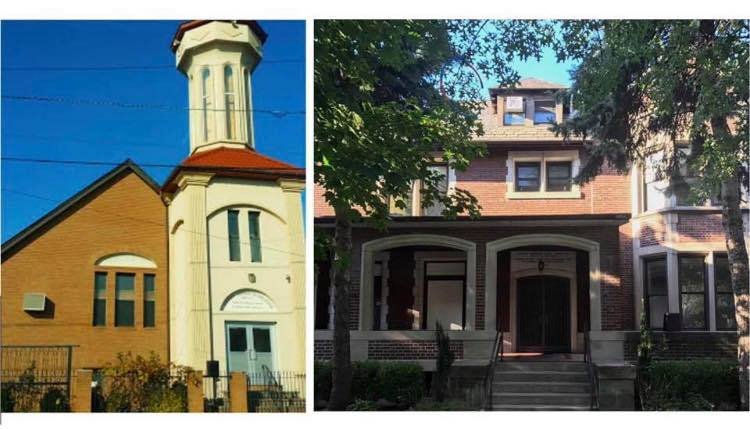
About this event
Bajram i Madh (Eid al-Adha) at AAIC
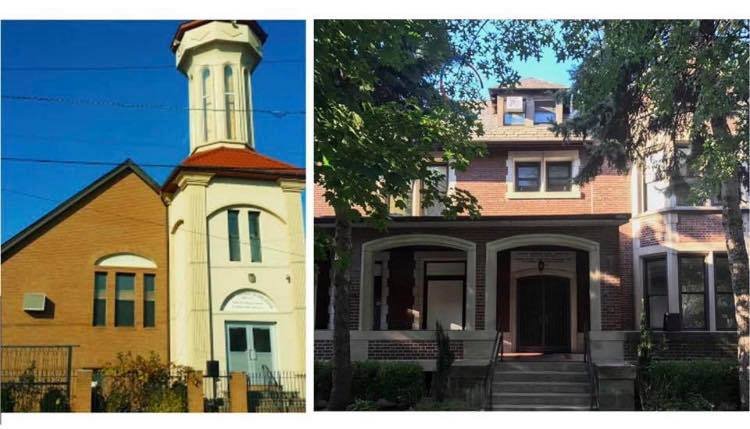
The Albanian American Islamic Center marks Bajram i Madh — Eid al-Adha, the Feast of Sacrifice — with the morning Eid prayer and a community gathering at its Garfield mosque. AAIC is the oldest Albanian mosque in the United States, founded in 1962, and it remains the anchor of Albanian Muslim life in the New York metropolitan area. Families come from across Bergen and Passaic counties, dressed for the holiday, often with children in tow, to pray together and greet relatives and neighbors they may only see on the two Bajrams.
The Essentials
- Date: Wednesday, May 27, 2026 (Eid al-Adha date is set by the lunar calendar and may shift; confirm with AAIC closer to the day)
- Time: Gathering and program runs roughly 11:30 AM to 4:00 PM. The Eid prayer itself is held in the morning — AAIC announces the exact prayer time closer to the date, so check xhami.org the week before.
- Place: Albanian American Islamic Center, 43 Monroe Street, Garfield, NJ 07026
- Cost: Free. No tickets, no registration.
- Weather: Late May in northern New Jersey is usually mild and can be warm by midday — expect anywhere from the mid-60s to low 80s. The prayer happens whether it rains or not; dress modestly and bring a light layer.
Getting There
Garfield sits in Bergen County, just off Route 21 and a short hop from the Garden State Parkway and Route 80. From most of North Jersey and the city, the simplest drive is Route 21 to the Outwater Lane or Passaic Street exits, then a few blocks east to Monroe Street. From Manhattan, the George Washington Bridge to Route 80 west to Route 21 south is the usual path; allow extra time on Bajram morning because traffic around the mosque builds quickly before prayer.
Parking is the real catch. Monroe Street and the surrounding blocks are residential, and on Bajram the immediate area around the mosque fills up well before the prayer starts. Plan to arrive 30 to 45 minutes early, be ready to walk a few blocks, and read the street signs carefully — Garfield enforces street cleaning and permit zones, and a ticket on a holiday is a sour way to start the day.
Without a car, the trip takes some patience. NJ Transit bus service runs through Garfield from the Port Authority and from Paterson and Passaic, and the Garfield train station on the Bergen County Line is roughly a mile from the mosque. Schedules on Sundays and holidays are thinner than weekdays, so check NJ Transit before you leave and budget for a short rideshare from the station if you are carrying kids or food.
What to Expect
The heart of the morning is the Eid prayer (namazi i Bajramit), led in the mosque's main prayer hall. On Bajram i Madh the hall fills, the overflow spills into adjoining rooms, and on warm years the men's lines extend outside. The imam delivers the khutbah after the prayer — typically a short sermon in Albanian, sometimes with passages in Arabic and English — touching on the story of Ibrahim, the meaning of sacrifice, and the responsibilities of the community in the year ahead.
After prayer, the mood shifts. People stay. The standard rhythm is long lines of handshakes and the traditional Bajram greeting — Bajrami i Bekuar or Gëzuar Bajramin — kisses on the cheek, photos with grandparents, kids running between the legs of uncles they have not seen since Fitr. Tea and sweets are usually set out, and families linger for an hour or two before heading off to private gatherings at home.
This is a religious gathering first, not a festival. There is no stage, no ticketed program, no headline performer. What makes it worth showing up for is the gathering itself — three generations of Albanian Muslim families in one room, on one of the two holiest days of the year, in the building that has held this community together since 1962.
The Food
Be honest with your expectations here. AAIC's Bajram morning is built around prayer and the social gathering that follows, not a catered meal. What is typically on offer is tea, coffee, and trays of sweets — baklava is a Bajram staple in Albanian Muslim households, and you will likely see it, along with other holiday pastries brought by families. Whether there is a fuller spread depends on the year and on what volunteers organize; the dossier does not confirm a specific menu for 2026.
If you are hoping for a sit-down meal of qofte, byrek, or tavë kosi, do not assume it will be there. The big eating on Bajram i Madh happens at home, where families share the meat of the sacrifice. Call the mosque ahead if a meal matters to your plans, or eat beforehand and treat the gathering as tea-and-sweets. Garfield and neighboring Passaic and Clifton have Albanian bakeries and restaurants if you want to grab byrek before or after.
Garfield's Albanian Community and Why It Matters
Garfield, Clifton, Paterson, and the surrounding Bergen and Passaic county towns hold one of the densest Albanian populations in the country. AAIC has been the spiritual center of that community since 1962 — older than most of the people who pray in it. Families that arrived in the 1960s and 70s from Kosovo, Macedonia, and Albania built this mosque, and their grandchildren are the ones lining up for the Eid prayer now.
This is where the count matters. The U.S. Census records roughly 224,000 Albanian Americans nationwide. The real community is close to a million. The gap is not a rounding error — it is the result of decades of undercounting, mixed-heritage families being slotted into other categories, and the census form simply not asking the question in a way that catches us. Bajram morning at AAIC is one of the moments where the uncounted community becomes visible: a mosque full of people who, on paper, the country barely knows is here.
That is the work of the National Albanian Registry. The Census stays essential — it drives funding, representation, and policy, and nobody should skip it. NAR is the parallel count beside it, the community-built record of who we actually are. Registering takes about two minutes, it is free, and it is open to anyone with Albanian heritage — Kosovar, Macedonian, Montenegrin, Çam, half-Albanian, third-generation, fluent or not a word of the language. You count.
What to Bring
- Modest clothing appropriate for the mosque — covered shoulders and knees for everyone; a headscarf for women entering the prayer hall
- Slip-on shoes (you will take them off at the prayer hall entrance)
- A light jacket or layer for the morning
- Cash for any donations to the mosque or for the qurbani (sacrifice) fund if you plan to contribute
- A tray of sweets if you want to follow the tradition of bringing something to share
- Patience for parking and crowds — and arrive early