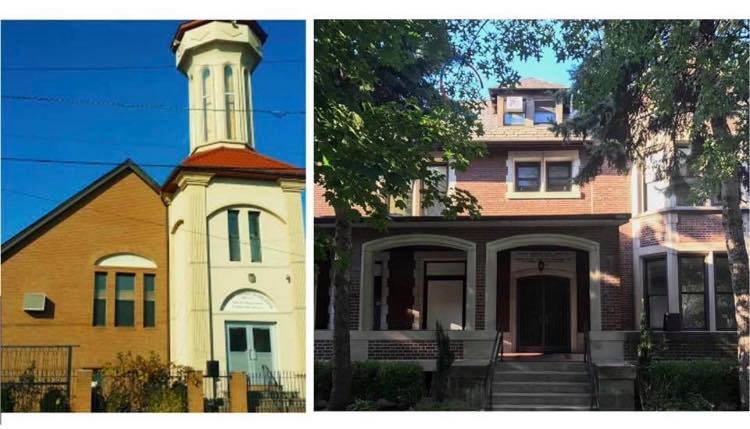
About this event
Bajram (Eid al-Fitr) at AAIC — Garfield, NJ
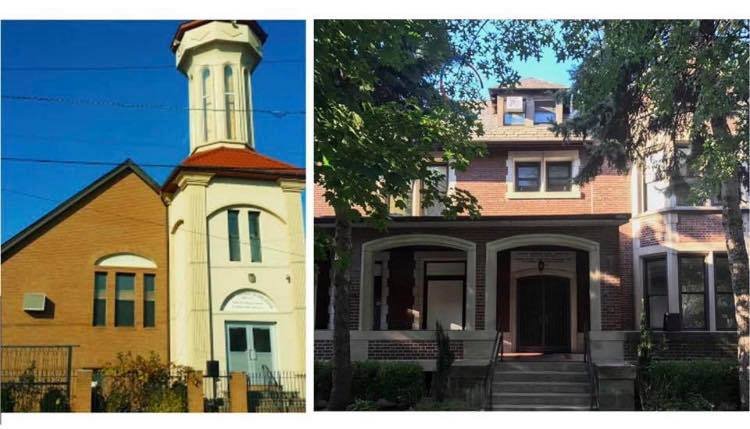
Eid al-Fitr — Bajram, as Albanian-American families call it — closes out Ramadan with a congregational morning prayer. In Garfield, that prayer happens at the Albanian American Islamic Center on Monroe Street, a mosque that has anchored Albanian Muslim life in northern New Jersey since 1962. The 2026 observance falls on Friday, March 20. What follows is a practical guide for families planning to attend.
The Essentials
- Date: Friday, March 20, 2026
- Time: Morning prayer. The exact Eid Salah start time for 2026 was not published at the time of writing. Bajram prayers at AAIC have historically been scheduled early — past Eid prayers at this mosque have started as early as 5:00 to 7:00 AM, depending on the holiday and sunrise. Confirm the exact time with the mosque at xhami.org or by calling the center before you leave the house.
- Place: Albanian American Islamic Center, 43 Monroe St, Garfield, NJ 07026
- Cost: Free. No tickets, no registration. A donation tray is customary at Eid; bring cash if you'd like to contribute.
- Weather: Late March in northern New Jersey is unpredictable — anything from low 40s and damp to a mild 60°F morning. The prayer is indoors, but you'll likely be standing outside before and after greeting people, so layer up.
Getting There
Garfield sits in Bergen County, a short hop off Route 46 and not far from the Garden State Parkway and Route 21. Most families drive. From the GSP, take the exit toward Passaic/Garfield and follow local roads into the Monroe Street neighborhood. From the George Washington Bridge, it's roughly a 25-minute drive west on Route 46 on a clear morning, longer if you hit weekday rush — but Bajram morning is usually quiet on the roads.
Parking is the honest gotcha here. Monroe Street is residential, the mosque's own lot is small, and Bajram pulls in far more cars than a normal Friday. Plan to arrive at least 30 to 45 minutes before prayer time. You may end up parking two or three blocks away on side streets — read the signs, don't block driveways, and don't park in front of fire hydrants. Garfield does enforce.
For transit: NJ Transit bus service runs through Garfield, and Plauderville and Garfield stations on the Main/Bergen County Line are within the city. The mosque sits in a residential pocket, though, so the last leg from any bus stop or train station will be a walk of several blocks. Specific transit lines and walking distances to 43 Monroe St aren't published by the mosque — check NJ Transit's trip planner with the street address before you set out.
What to Expect
Bajram morning at AAIC follows the standard Eid al-Fitr rhythm. Families arrive early, greet each other with "Gëzuar Bajramin" and the traditional embrace, and fill the prayer hall. Children come dressed in new clothes — this is a day for it. The congregation prays the Eid Salah together, followed by a khutbah (sermon). After prayer, people linger: hugs, handshakes, photos, and the steady current of relatives finding each other across the crowd.
The mosque has been in Garfield for more than sixty years, and the Bajram congregation reflects that — grandparents who helped build the place, parents who grew up in it, and kids being lifted up to see over the crowd. The atmosphere is warm and unhurried.
The organizer has not published a detailed program for 2026 (named imam, khatib, or any post-prayer cultural segment), so treat the prayer and sermon as the confirmed core. Anything beyond that — a community breakfast, children's gifts, a reception — would be a bonus. Check xhami.org closer to the date for any added announcements.
The Food
Here's where we'll be straight with you: the sources we trust don't confirm a specific food program for Bajram 2026 at AAIC. There's no published menu, no announced community breakfast, no listed caterer.
That said, Bajram is a holiday built around food at home. Many families head straight from the mosque to a relative's house for the traditional morning spread — baklava, sheqerpare, revani, Turkish coffee, and the sweets that give Eid al-Fitr its nickname as the "sugar feast." Whether AAIC itself puts out coffee, sweets, or a light reception after prayer is something the mosque sometimes does and sometimes doesn't, and it isn't documented for this specific date. If a post-prayer offering matters to your plans, call the center and ask. Otherwise, plan to celebrate the meal portion at home or at a family member's house, the way most Albanian families do.
Don't show up hungry expecting a full iftar-style spread at the mosque — that's an evening Ramadan tradition, not an Eid morning one.
Garfield's Albanian Community and Why It Matters
Garfield and the surrounding Bergen and Passaic County towns hold one of the densest Albanian Muslim populations in the United States. AAIC has been the spiritual hub of that community since 1962 — older than most of the people praying in it.
And this is where the count gets interesting. The U.S. Census records roughly 224,000 Albanian Americans nationwide. The real community is close to a million. That gap isn't a rounding error — it's the result of decades of undercounting, mixed-heritage families checking other boxes, recent arrivals not yet reached, and the simple fact that "Albanian" isn't always a prompted option on the forms people fill out. A Bajram morning at AAIC, with hundreds of families filling Monroe Street, is exactly the kind of moment where the uncounted community becomes visible.
The National Albanian Registry exists to run a parallel count beside the Census — not to replace it. The Census stays essential. NAR is the community's own ledger, and it's open to everyone with Albanian heritage: Kosovar, Macedonian, Montenegrin, Çam, half-Albanian, third-generation, fluent or not a word. Registering is free and takes about two minutes. NAR is a 501(c)(3) (filed; IRS confirmation pending). It is not an ID, not citizenship, not a government roll — just a count, by us, of us.
If you're at Bajram in Garfield, you're already part of that visible community. Putting yourself on the registry makes it count on paper too.
What to Bring
- Cash for the donation tray
- New or nice clothes — this is the day for it, especially for the kids
- A jacket or layer; March mornings in NJ are cold
- Slip-on shoes (you'll remove them at the prayer hall)
- A scarf, for women and girls who cover for prayer
- A small bag for shoes if you prefer to keep them with you
- Patience for parking; arrive 30 to 45 minutes early
- Phone, fully charged, for the family photos that will absolutely happen afterward