
What Kombëtarja means to the diaspora
The Albania national football team — Kombëtarja (literally “the National”) in Albanian — is the most-watched cultural event in the Albanian-American diaspora. Match nights pull together extended families across three or four states, pack sports bars in the Bronx and Sterling Heights, and light up WhatsApp threads that span continents from Worcester to Tirana to Pristina.
When Albania played Croatia in the Euro 2024 group stage, watch parties from Boston to Detroit reported standing-room crowds. When Armando Sadiku scored against Romania at Euro 2016, a generation of Albanian-American kids learned what the words gol and Shqipëria sound like at full volume.
This piece is the substantive version of every “where can I watch the Albania match” search. We cover who the team is, the star players (most of whom are diaspora-born), the team’s recent rise, and exactly how to watch from the United States — streaming, cable, and which bars to look up in the cities where Albanians gather.
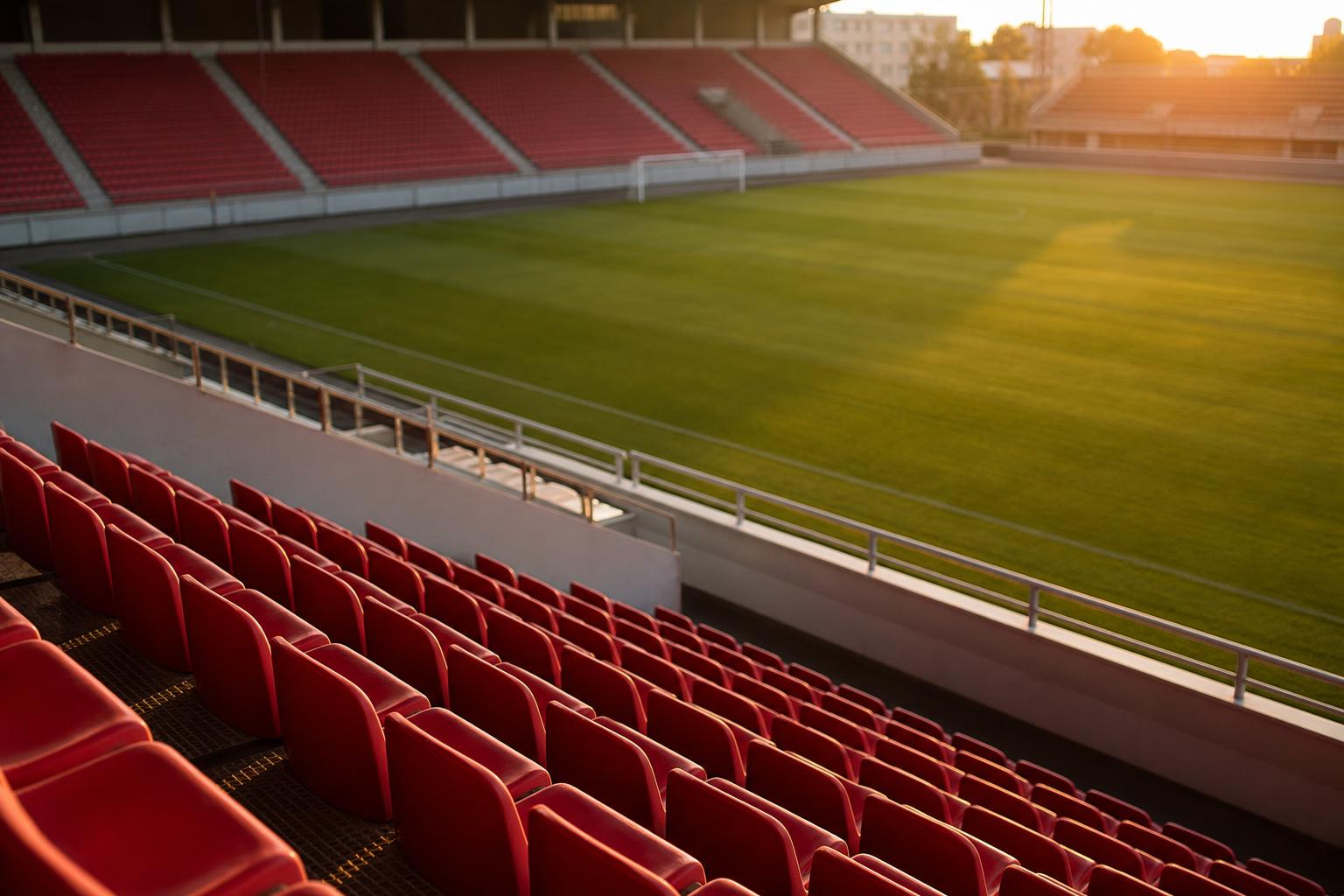 *Air Albania Stadium (Arena Kombëtare), Tirana — the Albania national team’s home ground since 2019. — Graphic by NAR
The team, briefly
Albania’s national team was founded in 1930, the same year the Albanian Football Federation — Federata Shqiptare e Futbollit, abbreviated FSHF — was established (June 6). The federation joined FIFA two years later, in 1932, and has been a member continuously since. (Wikipedia: Albania national football team)
The team plays its home matches at Air Albania Stadium (officially Arena Kombëtare) in Tirana, opened in 2019 with a capacity of 22,500. It replaced Qemal Stafa Stadium, the older national ground that FIFA closed in 2013 for not meeting international standards. Between 2013 and 2019, the team rotated home matches between Loro Boriçi Stadium in Shkodër and Elbasan Arena while the new ground was under construction.
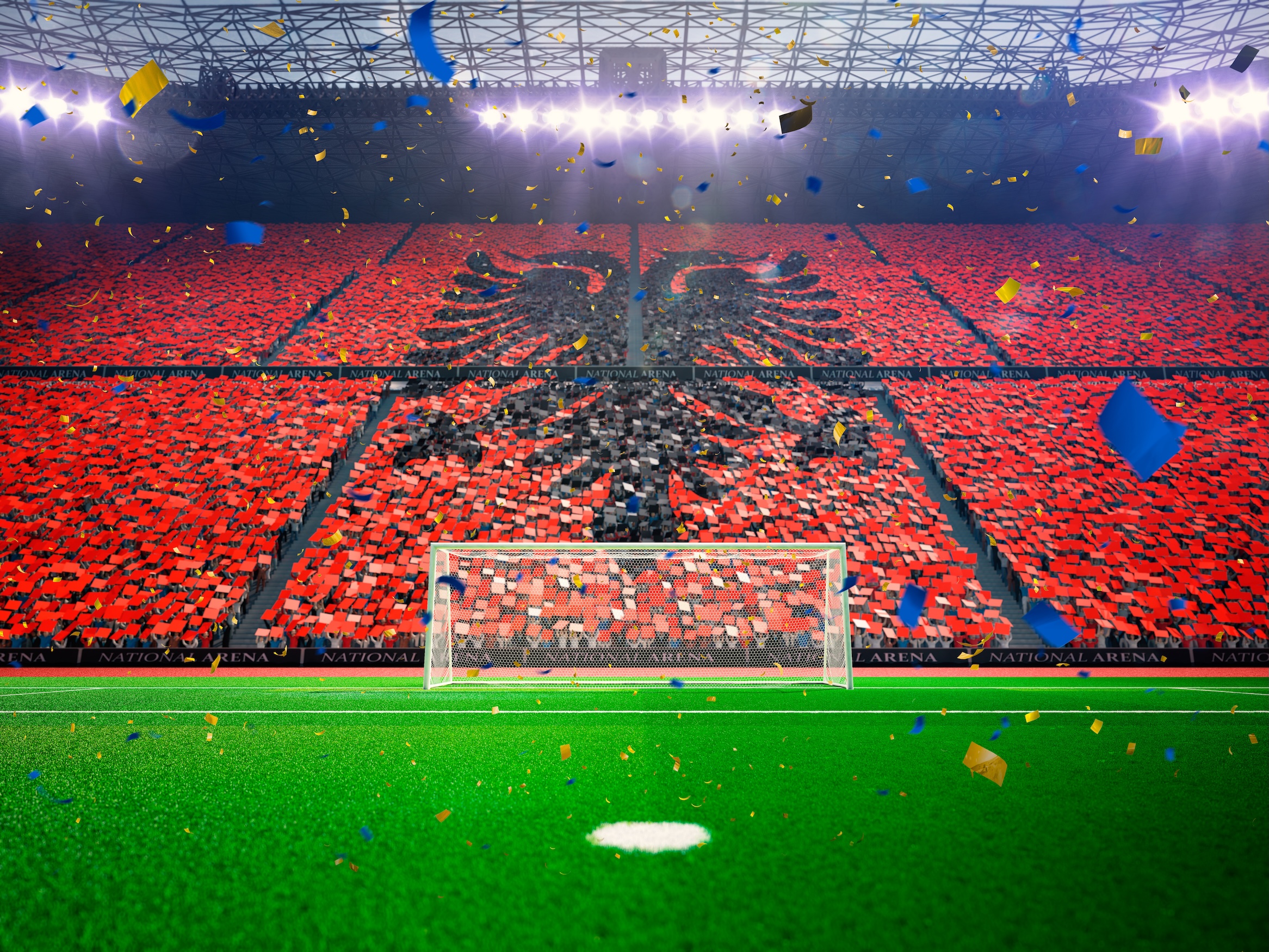
Albania’s nickname is Kuq e Zinjtë — “the Red and Blacks” — after the colors of the national flag and the double-headed eagle on the team’s crest. The kit is red home, white-and-black away, and the eagle appears on the chest.
The team’s all-time FIFA ranking peak was 22nd in August 2015, in the run-up to Euro 2016. Their most recent ranking is 64th. They have appeared in two major tournaments: Euro 2016 in France and Euro 2024 in Germany. They have never qualified for a FIFA World Cup. (Wikipedia: Albania national football team)
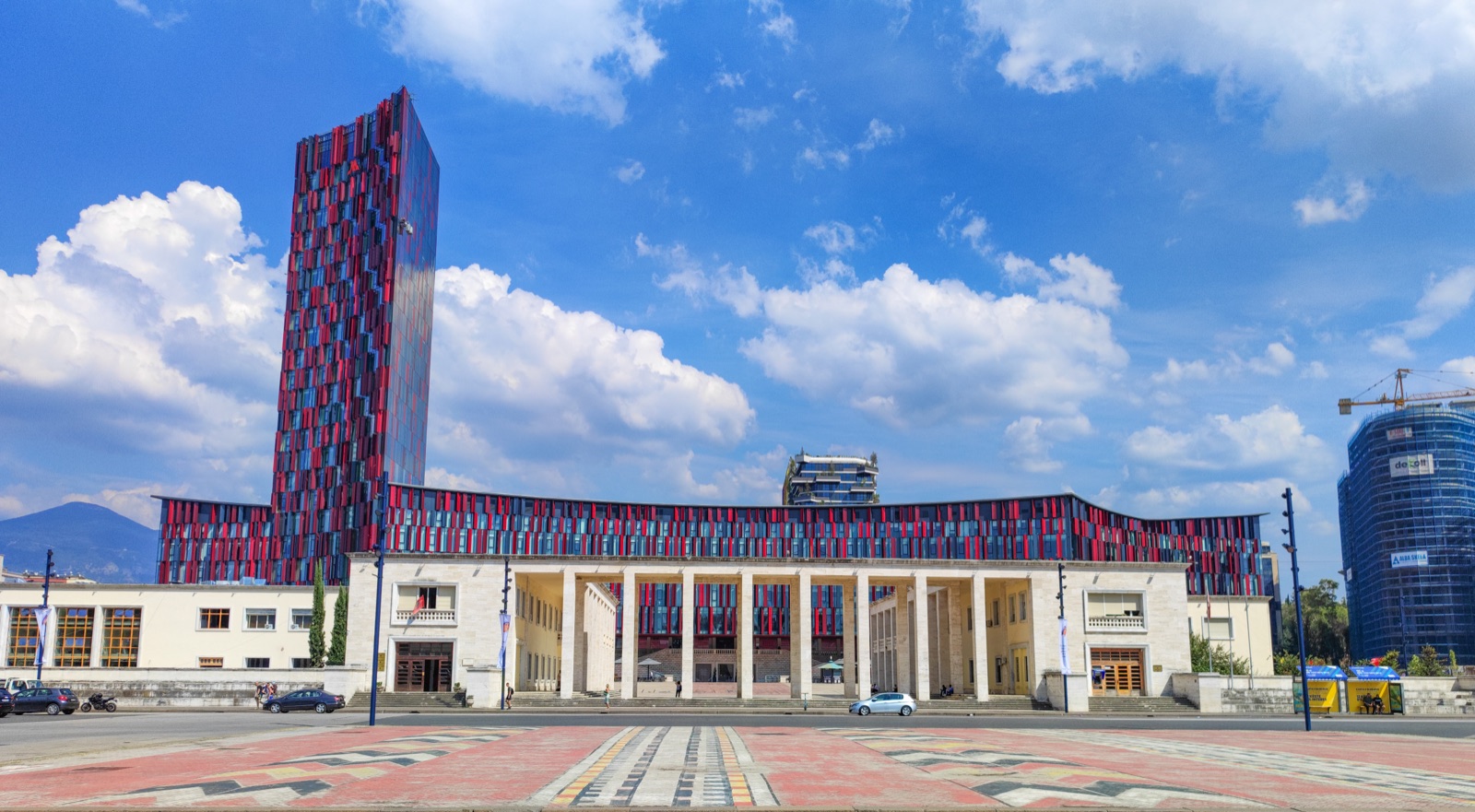 Photo: BBB2021 / Wikimedia Commons / CC BY-SA 4.0
From Euro 2016 to Euro 2024 — the team’s recent rise
For most of the team’s existence, Albanian football lived in the long quiet between qualifying campaigns. The first international match was a 2-3 loss to Yugoslavia in 1946. The 1946 Balkan Cup followed — the team’s first trophy. Then six decades passed without a single major-tournament appearance.
That changed in 2015.
Euro 2016 — the fairy-tale qualification
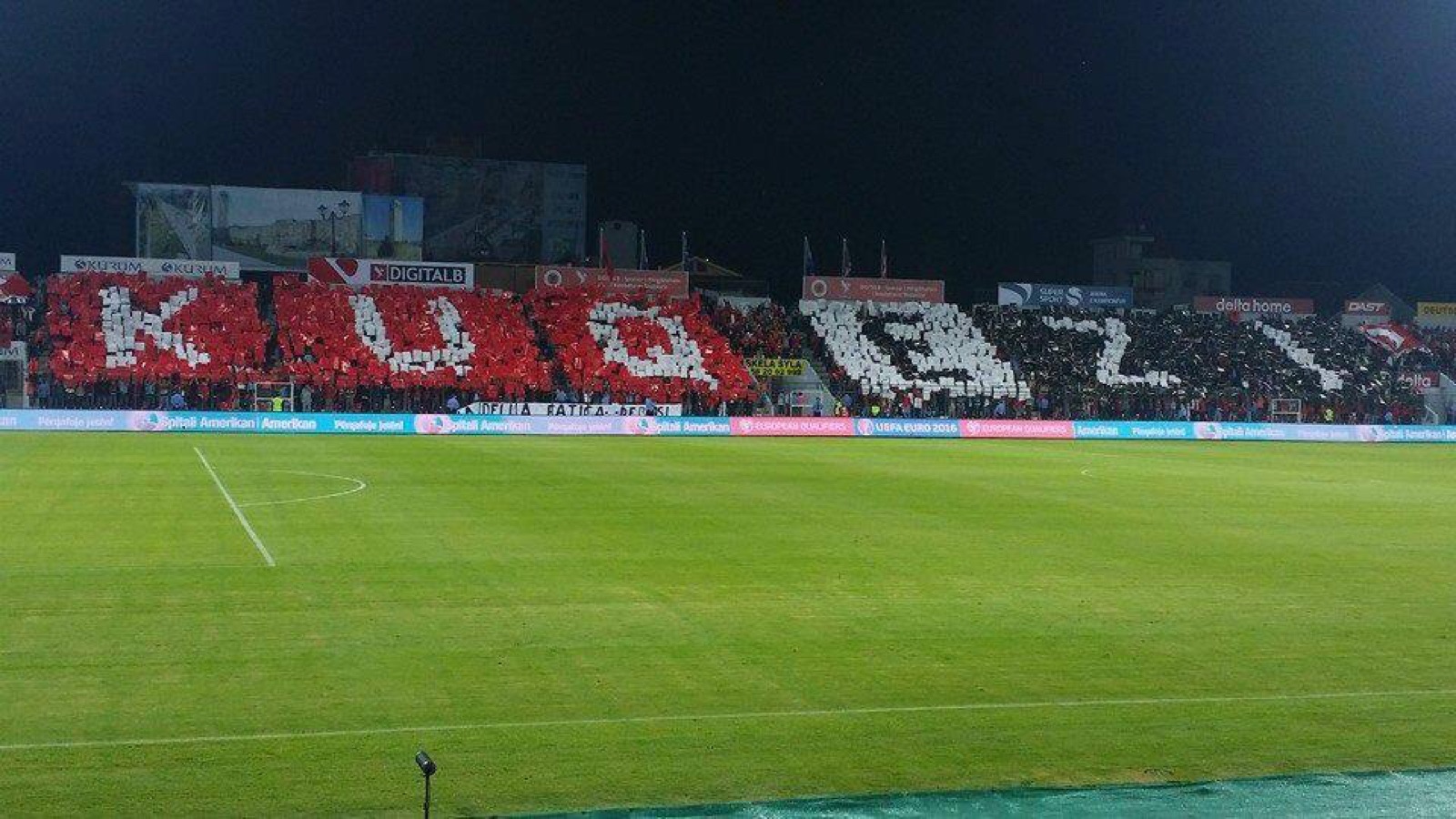 Photo: Vergogc / Wikimedia Commons / CC BY-SA 4.0
The Euro 2016 qualifying campaign turned Albania into the story of European football for a season. They finished second in their qualifying group ahead of Denmark and Serbia, and the away match in Belgrade — abandoned in 2014 after a drone carrying a Greater Albania flag descended onto the pitch — was awarded 3-0 to Albania on appeal. The team qualified for their first major tournament in their 86-year history.
In France, drawn into Group A with the hosts, Romania, and Switzerland, Albania lost 1-0 to Switzerland (on a goal from Fabian Schär) and 2-0 to France. But on June 19, 2016 in Lyon, Armando Sadiku rose to a header in the first half against Romania, and Albania won 1-0 — their first-ever victory at a major tournament. The image of Sadiku running to the corner flag, of the bench emptying onto the field, of Tirana’s main square filling within minutes — it became the defining moment of modern Albanian football.
The same group stage produced the Xhaka brothers fixture: Switzerland 1, Albania 0, with Granit lining up in white for Switzerland and Taulant in red for Albania. The two embraced before kickoff and traded shirts at full time. It was the first time in European Championship history that brothers had played for opposing national teams.
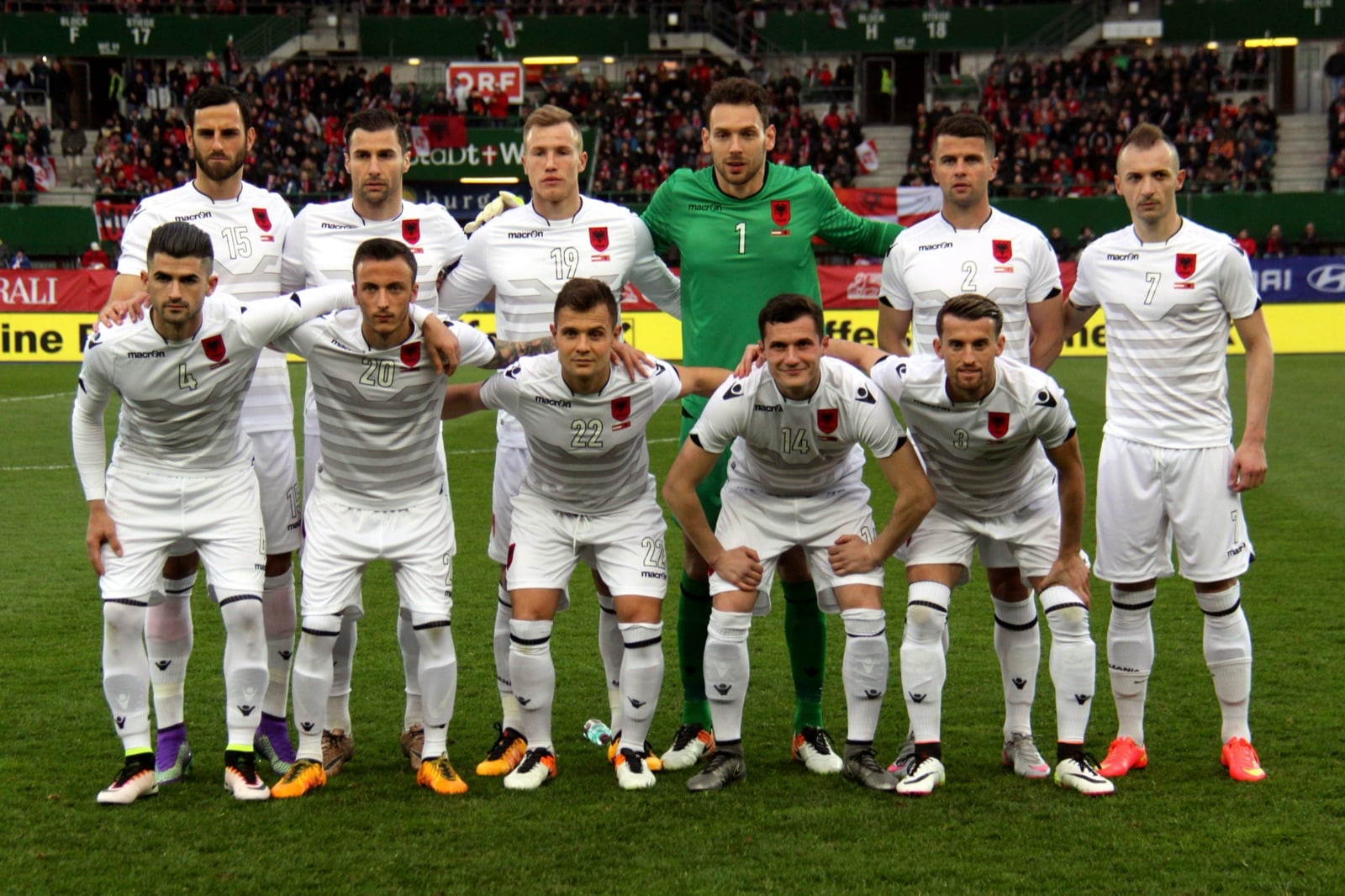 Photo: Steindy / Wikimedia Commons / CC BY-SA 3.0
The transitional years
After Euro 2016 the team rebuilt. The 2018 World Cup qualifying campaign and the 2020 Nations League cycle were uneven. Coaches changed — Gianni De Biasi’s successor Christian Panucci lasted two years, and Edoardo Reja followed for a short spell. A generation of older players retired. The squad rebuilt around a younger core — many of them born in the diaspora, brought back through ancestry eligibility — and slowly the FIFA ranking climbed back.
Euro 2024 — second time at the dance
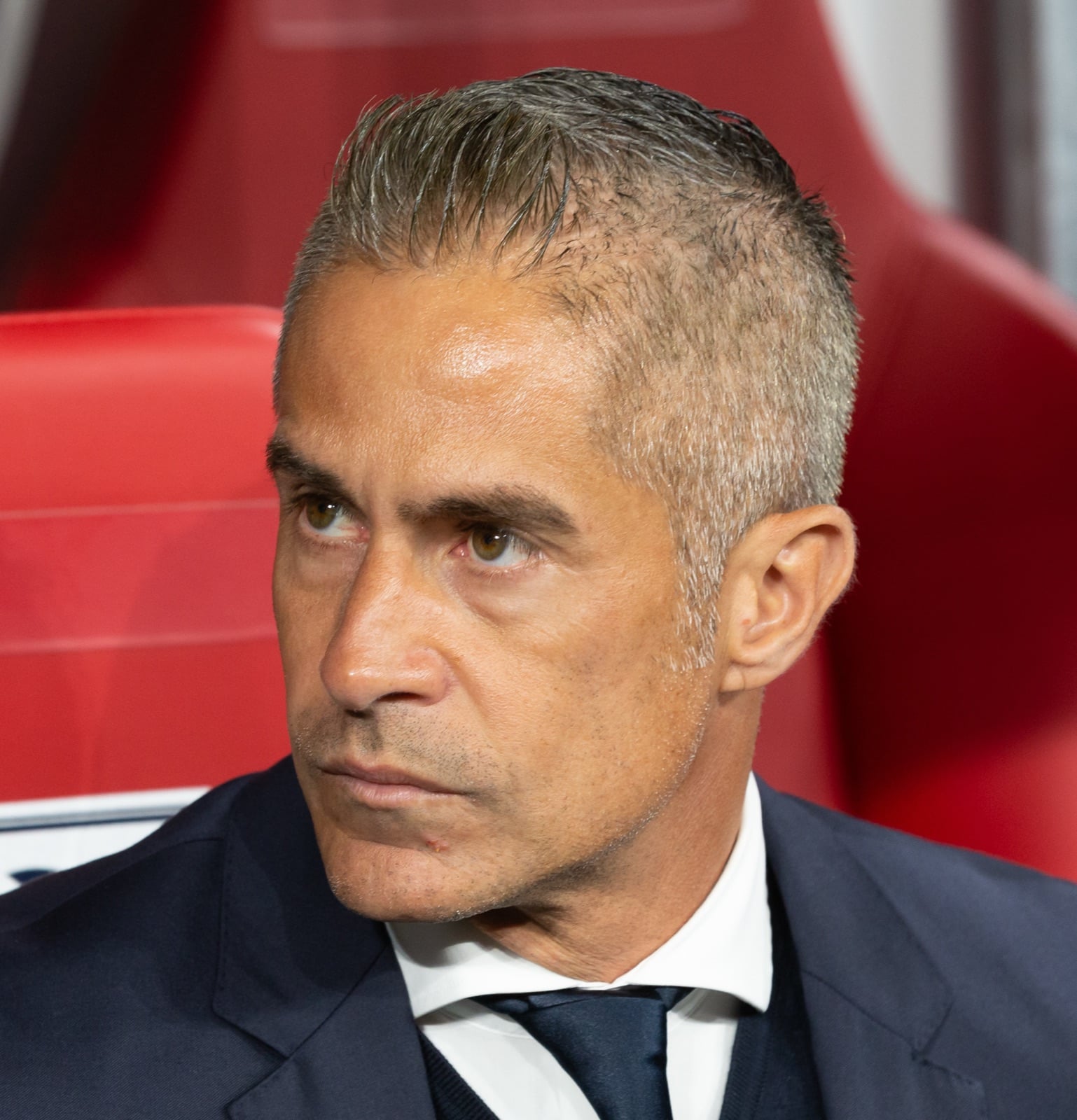 Photo: Steffen Prößdorf / Wikimedia Commons / CC BY-SA 4.0
In January 2023, the FSHF appointed Sylvinho — the Brazilian former Arsenal and Manchester City defender — as head coach, with Pablo Zabaleta as his assistant. The Brazilian-coached era found a rhythm. Albania finished first in their Euro 2024 qualifying group ahead of the Czech Republic and Poland, an objectively stronger field on paper. The team conceded only four goals across eight qualifying matches.
In Germany, the Euro 2024 draw put Albania in Group B with Italy, Spain, and Croatia — the so-called group of death. Albania drew Croatia 2-2 in a dramatic match, with Klaus Gjasula scoring an injury-time equalizer. Losses to Spain and Italy ended the group stage run, but the Croatia draw — and the volume in the Albanian end of the stadium — confirmed something the diaspora already knew. Albania travels well. (Wikipedia: Albania national football team)
The current squad — who the stars are
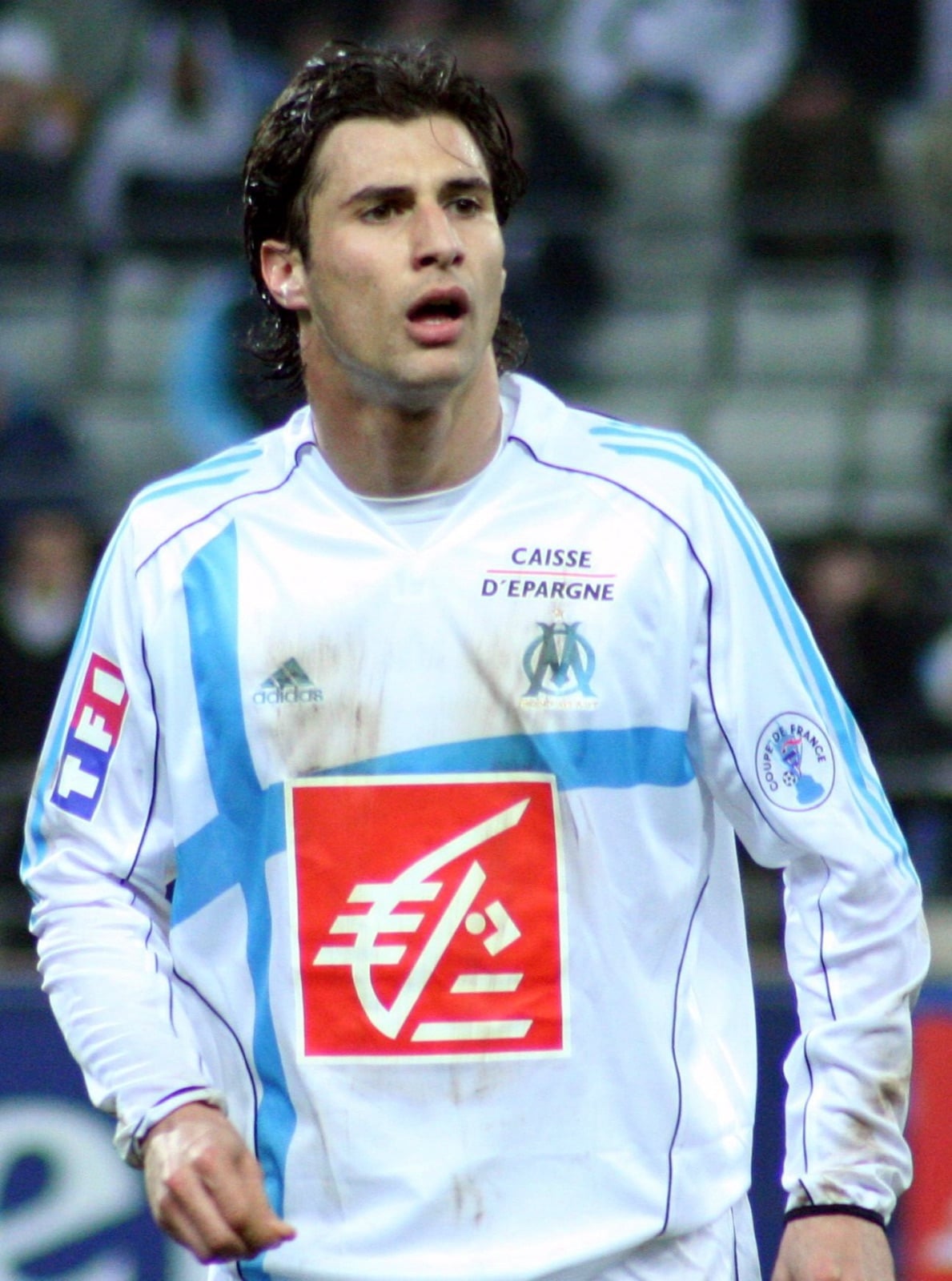 Photo: Guillaume Chagnard / Wikimedia Commons / CC BY-SA 2.0 FR
A note on a recurring pattern in Albanian football: most of the senior squad was born in the diaspora (Switzerland, England, Italy) to Albanian parents from Albania, Kosovo, North Macedonia, or Montenegro. FIFA’s ancestry-eligibility rules let players choose. Some choose Albania; some choose the country of their birth. We treat both choices as legitimate.
Granit Xhaka — Switzerland, by his own choice
Granit Xhaka was born in Basel, Switzerland in 1992 to Kosovar-Albanian parents from Podujevë. He chose to represent Switzerland and has captained the Swiss national team. His older brother Taulant Xhaka chose Albania and has been a regular in the Albanian midfield since 2014. The two brothers faced each other at Euro 2016 when Switzerland played Albania in the group stage — the first time in European Championship history that brothers had played for opposing national teams. The split is occasionally a sore point in diaspora conversations, but both brothers have been clear that the family came through the choice intact. We’re not going to relitigate it here.
Taulant Xhaka — Albania, midfield
Born in Basel, Switzerland to Kosovar-Albanian parents. Plays his club football for FC Basel. A combative midfielder who has been a fixture for Albania since 2014.
Berat Djimsiti — Atalanta, central defender
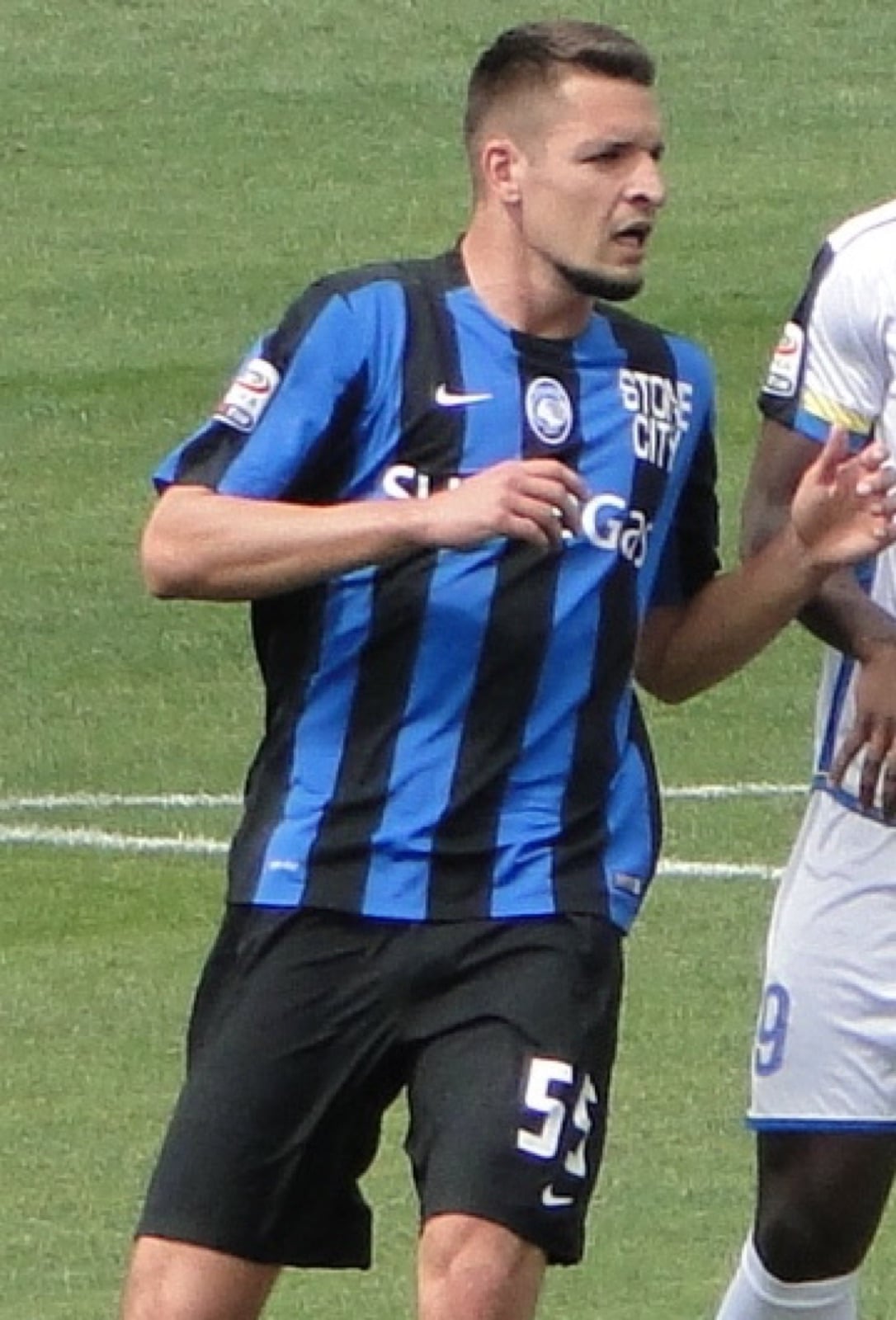 Photo: Ago76 / Wikimedia Commons / CC BY-SA 4.0
Born in Zürich, Switzerland, to an ethnic Albanian family from the Preševo Valley region of Serbia (near Bujanovac). Plays for Atalanta in Italy’s Serie A. A member of the Euro 2016 squad, captain in recent windows, and one of the longest-serving Albanian internationals on the pitch.
Armando Broja — Chelsea / Burnley, forward
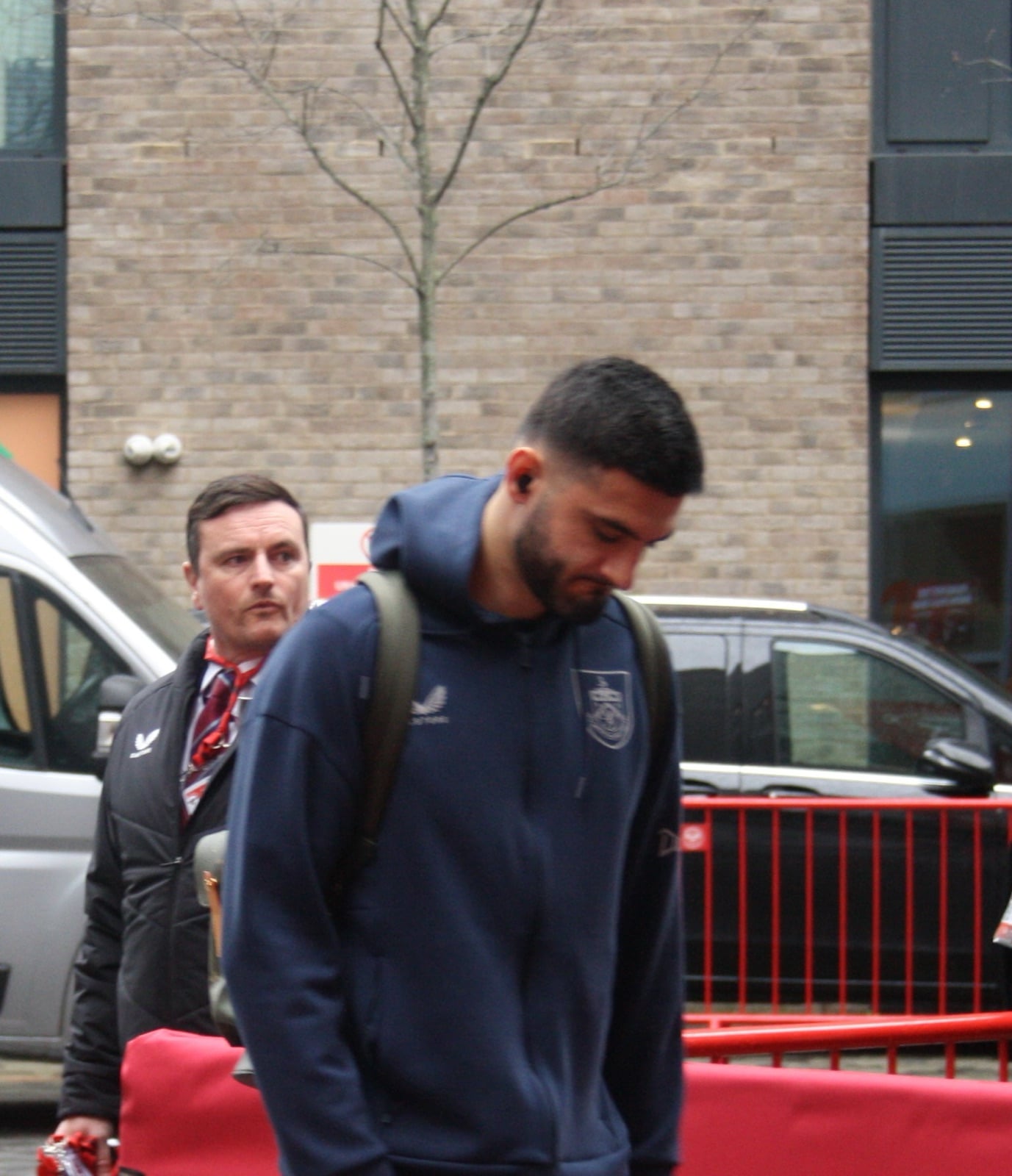 Photo: Timmy96 / Wikimedia Commons / CC0
Born in Slough, England in 2001 to Albanian parents. A product of the Chelsea youth academy who has been on loan at Burnley and other Premier League clubs. Broja chose to represent Albania over England despite being eligible for both. A lean, fast number-nine who has been one of the team’s main attacking outlets in the post-Euro 2024 cycle.
Kristjan Asllani — Inter Milan, midfielder
Born in Elbasan, Albania in 2002. Plays for Inter Milan. A deep-lying playmaker who has emerged as the team’s central creative player in the Sylvinho era.
Nedim Bajrami — Rangers, attacking midfielder
Born in Switzerland in 1999 to Kosovar-Albanian parents. Plays for Rangers F.C. in the Scottish Premiership after transferring from Sassuolo in August 2024. Initially represented Switzerland at youth level before switching his international allegiance to Albania in 2021 — a move FIFA’s eligibility rules allow.
Elseid Hysaj — Lazio, defender
Born in Shkodër, Albania in 1994. Has played for Napoli and Lazio in Serie A. The longest-serving outfielder in the squad, a versatile fullback who has captained the team in the absence of Djimsiti.
Etrit Berisha — BK Häcken, goalkeeper
Born in Pristina, Kosovo in 1989, played most of his club career in Italy (Lazio, Atalanta, Empoli) before signing with BK Häcken in Sweden’s Allsvenskan in 2025. The veteran goalkeeper of the squad, with appearances stretching back to 2012.
Mirlind Daku — Rubin Kazan, forward
Born in Përlepnicë, Kosovo in 1998. Plays for Rubin Kazan in Russia. A physical center forward who has been used as a target man in Sylvinho’s squads.
That’s eight names — there are another fifteen or so on the senior squad sheet at any given window. The roster shifts. The two patterns hold: many are diaspora-born, and many play in Italy’s Serie A.
How to watch Albania matches from the United States
This is the practical part. If a relative just asked you “where can I watch the Albania match,” send them this section.
Streaming
- TVALB — the Albanian-language IPTV service most diaspora households use. Subscription runs around $15/month. Carries RTSH (the Albanian state broadcaster) and the major Albanian sports channels, which means almost every Kombëtarja match is on it. Available as an app on Apple TV, Roku, Fire TV, and through dedicated set-top boxes that older relatives often have already.
- Fubo TV — in some windows, when UEFA broadcast rights cover the US market, Fubo carries Albania’s qualifying matches via its soccer or international package. Coverage varies cycle by cycle.
- FotMob app — free. Carries live audio commentary in Albanian for most Albania matches, plus live stats. Won’t get you video, but it’ll get you the call from Tirana.
Cable
Most Albania matches are not on standard US cable. ESPN has occasionally aired Euro tournament matches when Albania has qualified — Euro 2016 and parts of Euro 2024 group play were on ESPN’s family of channels. Outside major tournaments, cable coverage is essentially zero. Sky Sports streams the matches via its UK subscription if you use a VPN, but that’s a workaround, not a recommendation. The honest answer for most US households is that cable will not get you the average qualifier or Nations League match — TVALB or a streaming subscription will.
Watching together — sports bars in the diaspora cities
Match nights pull people out of the house. The places to look up, by city:
- New York City and the Bronx — Cafe Bistro Bronx in Belmont, longtime Albanian-American establishments along Arthur Avenue, the older Albanian cafes in the East Tremont stretch. Astoria has Albanian-owned hookah lounges that turn into watch parties on match days.
- Detroit area / Sterling Heights — Galaxy Soccer Bar is the canonical answer. Several family restaurants along Mound Road and 14 Mile run watch parties for big matches.
- Boston / Worcester — Caspian Grill and Albanian-owned cafes in Worcester have hosted match-day gatherings for years.
- Waterbury, Connecticut — multiple family restaurants run Euro qualifier watch parties; the Albanian-American community in Waterbury is one of the densest in the Northeast.
If you’re in a smaller city, the answer is usually a Facebook search for “Albanian” plus your metro area, or a post in a regional WhatsApp group. The bars are there. They don’t always advertise.
Time zones
Most UEFA matches kick off at 20:45 CET, which is 14:45 ET / 13:45 CT / 11:45 PT. Friendlies sometimes go at 18:00 CET — 12:00 ET. Saturday and Sunday matches are family-watching time on the East Coast; midweek matches at 14:45 ET cut into the work day, which is part of why the bars fill up afterward for the replay and the next day’s commentary.
Schedule
Albania plays roughly 8 to 12 official matches per year: UEFA Nations League games, qualifiers for the next Euro or World Cup cycle, and a handful of friendlies (often against North African or South American teams in international windows). The cleanest official source is the FSHF website at fshf.org, which posts fixtures and kickoff times. The federation’s social accounts post lineups on match day.
A quick word on Kosovo
The Kosovo national team is the other team many diaspora households follow. Kosovo declared independence in 2008 and the football federation gained provisional FIFA recognition in 2014, full membership in 2016. Kosovo plays in UEFA — qualifying for both Euro and World Cup cycles — and fields many ethnically Albanian players, including some who could have chosen Albania and went the other way.
Some Albanian-American households watch both teams. Some lean one way out of family origin (Kosovo families tend to follow Kosovo more closely; families from Albania or southern Italy tend to follow the Albania team). Both are part of the same diaspora football conversation. Neither team objects to the dual loyalty — at the federation level, the relationship is cordial.
Albanian-American supporter culture
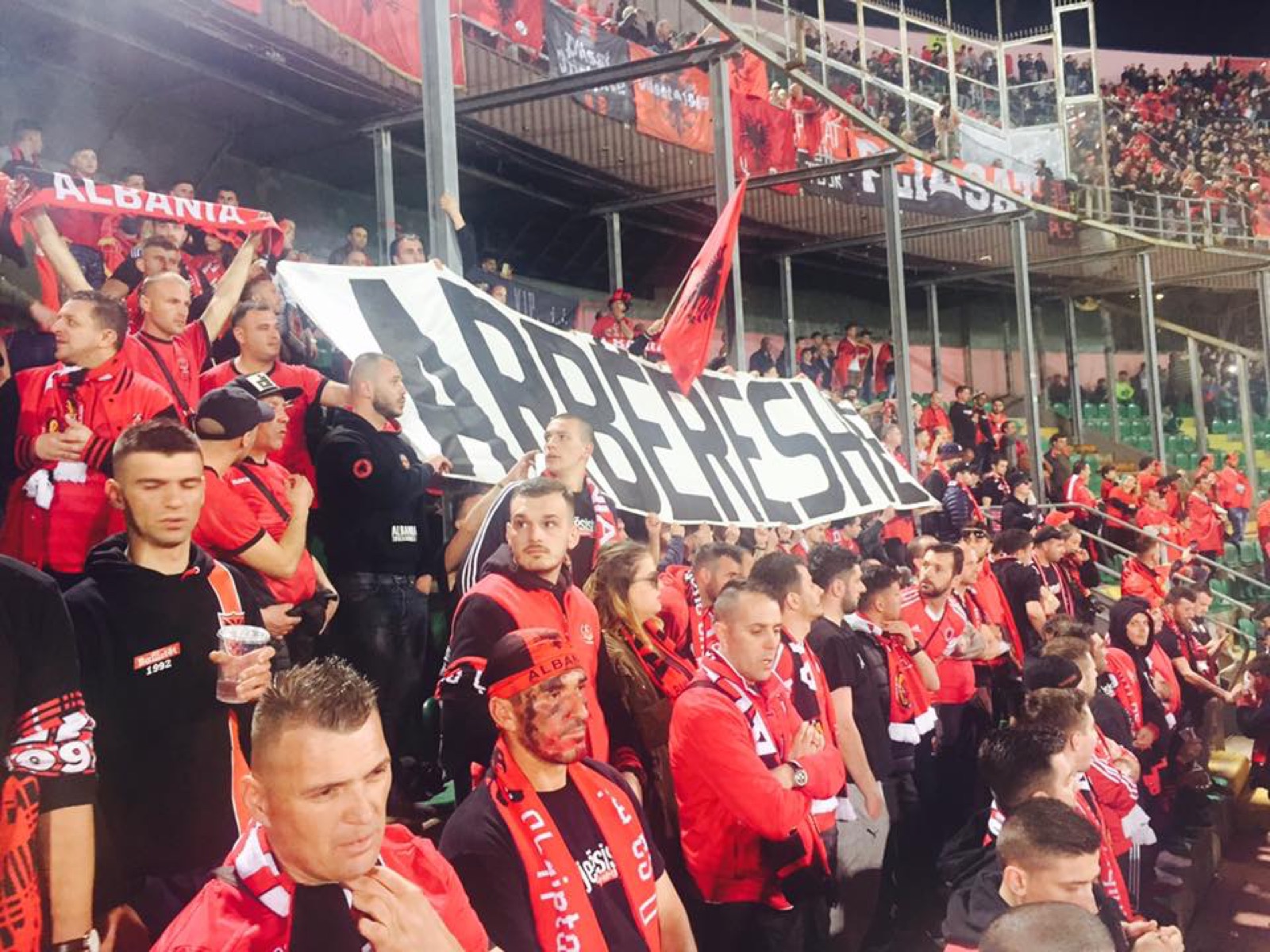 Photo: Gspata / Wikimedia Commons / CC BY-SA 4.0
The Albanian-American diaspora is one of the most engaged supporter bases in international football, full stop. Bronx and Detroit-area watch parties for Euro qualifying matches consistently fill bars to standing-room. The flag turns up at every match — sometimes worn as a cape, sometimes draped over a stroller, sometimes hanging from a fire escape on Arthur Avenue.
The principal supporters’ group is Tifoja Kuqezi (“the Red and Black supporters”), with chapters in New York, Detroit, Boston, and Toronto. Tifoja Kuqezi organizes traveling support for friendlies in the US, away days when Albania plays in Europe, and the watch-party network for the home cities. When Albania has played friendlies on US soil — most recently against Turkey at MetLife Stadium — the diaspora has filled the lower bowl in red and black, with extended families driving in from Connecticut, New Jersey, and the Boston metro for kickoff. The visiting team is rarely the home crowd at a US-hosted Albania friendly.
The chants are simple. “Shqipëria!” — Albania — gets called and answered, the way you might hear “Italia!” in a North End bar in Boston during a Euro final. “Kuq e Zi” — red and black — punctuates goal celebrations. The two-handed eagle gesture, thumbs locked together with the fingers spread, is the standard celebration in the stands and on the field after a goal.
It’s the same cultural muscle that fills Albanian Independence Day parades and Bajram dinners and Easter feasts. Football is one of the places it shows up loudest. For first-generation immigrants it’s a connection to the country they left; for second- and third-generation Albanian-Americans it’s often the most concrete piece of the identity, the thing that makes “Albanian-American” feel like a present-tense fact rather than a heritage anecdote. The kid who can’t quite hold a conversation in Albanian still knows the eagle gesture and the words to “Himni i Flamurit,” the national anthem played before every match.
Watch the next match together
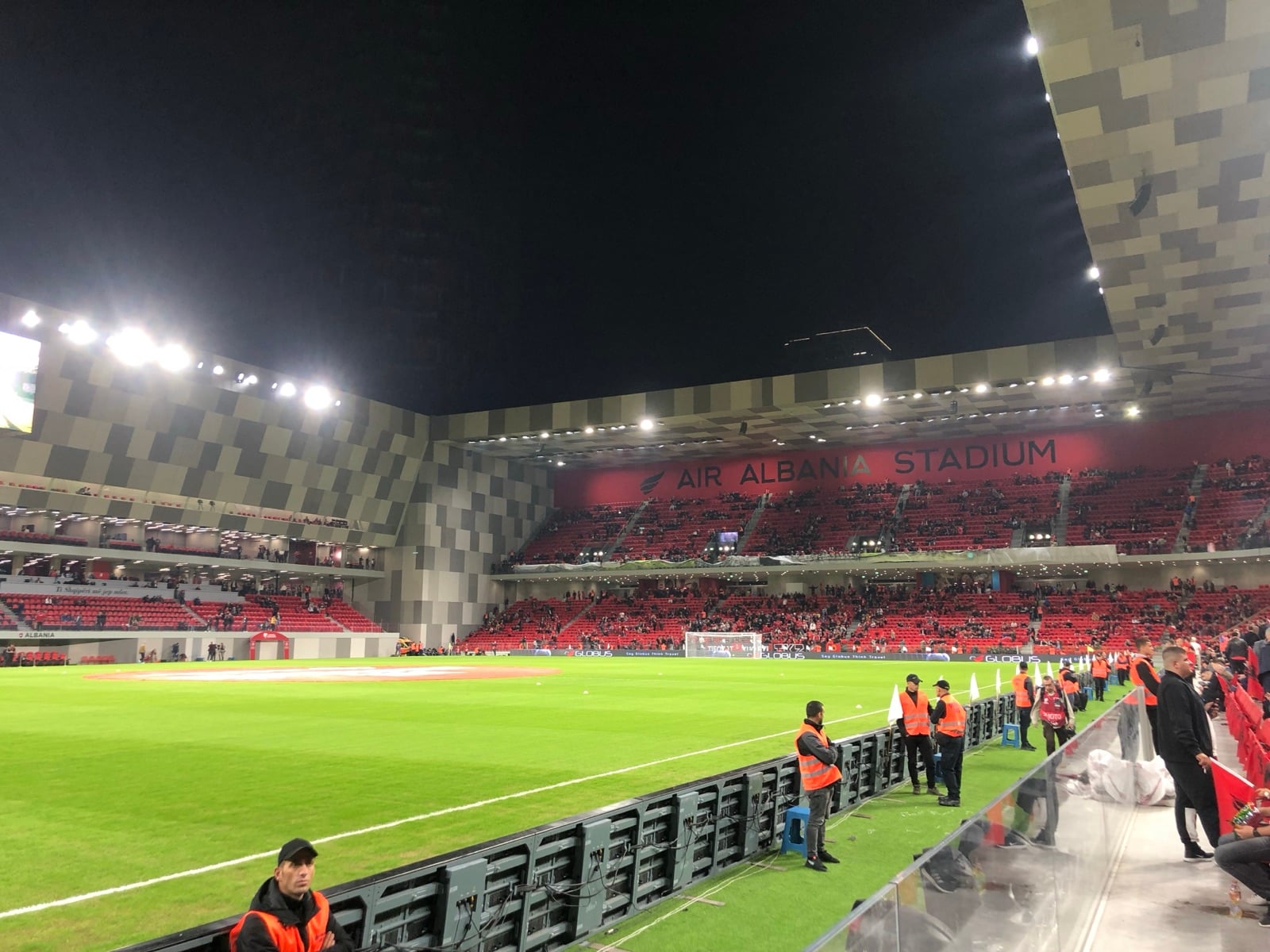 Photo: ErtonKashta / Wikimedia Commons / CC BY-SA 4.0
The Albania national team has done what most national teams in small countries struggle to do: become the cultural event the diaspora plans the rest of the day around. Whether you grew up watching with your father, or you’re trying to introduce your American-born kids to the team, the next match is on TVALB, on FotMob, on a Fubo or ESPN channel during tournament windows, or at a packed table in a Bronx restaurant.
We built the National Albanian Registry to count and connect this community. If you’ve been meaning to get on the registry — or you want a free Certificate of Albanian Identity to hang on the wall next to the team flag — you can register in about three minutes at /register.
Bring a relative to the next watch party. Tell them about Sadiku’s header. Sing for the eagle.
Shqipëria.