Sunday, October 4 · Fordham University
Program
Career conversations, mentorship, and a silent auction for the scholarship fund.
Schedule
12:00 PM – 1:00 PM Registration, Lunch & Networking
Arrive, check in, enjoy lunch, and begin connecting with fellow students, speakers, mentors, and professionals before the Summit program begins.
1:00 PM – 1:15 PM Welcome from AANO New York
Join AANO New York President Ervin Toro for the official opening of the Albanian-American Student Summit. The welcome will introduce the vision for the day, recognize our partners and supporters, and encourage students to connect, participate, and make the most of the Summit experience.
1:15 PM – 1:25 PM Albanian UN Youth Delegates Programme
Albania sends two Youth Delegates to the UN General Assembly each mandate — they join the national delegation as youth advisers and address the Third Committee. The programme has run since 2019 through United Nations Association Albania with the Ministry for Europe and Foreign Affairs, and is open to Albanian citizens aged 18 to 28. Sara Bodo, Director of the National Youth Agency, with delegates Ema Meçaj and Alesia Dodaj, on how it works and how to apply.
What they asked you to do 4
- Apply to be a youth delegate. The delegates described it as open to anyone motivated, engaged and willing to take responsibility, with applicants asked to present their experience, motivation and ideas rather than a particular academic background.
- Stay connected with what young people in Albania are facing — the first of the three things the National Youth Agency's director asked of the students in the room.
- Bring something back: your knowledge, your skills, your networks, your ideas, in her words even from a thousand miles away.
- Reach out with an idea, a project or a proposal. She said the agency is ready to build the bridge, and to come and talk to them.
1:25 PM – 2:10 PM Healthcare Without Limits
From clinical care to public health and executive leadership, explore the many paths a career in healthcare can take. Panelists will share their journeys, lessons learned, and advice for students looking to build meaningful careers and make an impact in healthcare.
Dr. Bledi Zaku, Iliriana Sela, Dr. Pashko Camaj, Dr. Fatjona Lubonja, Saranda Aliu
What it covered 5
- Moving from clinical work into leadership, operations and program development
- What a long training path costs, and what makes people stay with it
- Non-traditional routes into medicine, and defining success on your own timeline
- What neuroscience and education research say about how students learn
- Finding room to grow in a first job that is not the destination
What to take away 7
- A clinical background opens doors outside the clinic. One panelist moved from the emergency department into building programs and care facilities, after realizing the system was hard to navigate even for the people working inside it.
- You do not have to pick one lane. The same panelist had wanted to take over her father’s construction company instead, and later used that construction background to help design facilities that work for the patients, families and clinicians in them.
- The traits that make a surgeon excellent are the wrong ones for leading people. Demanding perfection works in an operating room and fails in an administrative role, where getting the best out of people is a separate skill you have to learn.
- Progress is not a straight line. One panelist started his freshman year at 29, already a father of three, and finished with a doctorate in public health from Columbia.
- Understand the why before you reach a conclusion. A researcher described observing one child for a full week, across every program he was in, before giving an assessment — and warned that children get placed under the diagnosis insurance recognizes, when the spectrum is far wider than that.
- A first job that looks small usually is not. Registering patients in an emergency room taught crisis and emotion management that carried directly into later leadership roles.
- Use the room. Panelists made the point that this degree of access did not exist when they were students, and that they are willing to help if you ask.
2:10 PM – 2:50 PM Technology, Innovation & Entrepreneurship
From engineering and product development to emerging technologies and entrepreneurship, explore how technology leaders turn ideas into products, companies, and opportunities. Panelists will share their career journeys, lessons from building and innovating, and advice for students looking to succeed in technology and help shape what comes next.
Donald Leka, Adrian Shatku, Jona Babi, Enri Zhulati
What it covered 7
- Two decades building cloud, mobile, data and now AI products
- Finding the confidence to go after opportunities that look out of reach
- Taking a medical device from R&D through regulatory approval and into the market
- What separates having an idea from building and executing one
- Moving from engineering into product and business leadership
- Changing direction without wasting the education you already have
- Where the panel would focus if they were graduating today
What to take away 8
- Do not fall in love with your technical solution — fall in love with the problem and the people who have it. A working prototype is only the entry ticket: it still has to clear regulatory approval, be built to the same quality every time, be something the surgeon wants to use, and something the hospital will pay for.
- Consistency beats talent, every day. If you do not think your talent is exceptional, be the person who shows up and does the work daily.
- Where you started does not cap where you can go. One panelist first learned English at 22 and did not see a computer until the first day of college, studying computer engineering.
- Moving from engineering into business means unlearning that one plus one equals two. There is rarely a provably right answer — only the best decision available now, with incomplete information. Waiting for complete information means missing the moment.
- On your own you can write code; you cannot build anything substantial. The constraint becomes communication — selling a vision and understanding what motivates people.
- Treat a career as a stack, not a ladder. Things you learned separately turn out to connect later, the way Steve Jobs’ calligraphy class ended up as the typography of the first Mac.
- The work is increasingly at the intersection of disciplines. Asked where they would focus graduating today, the answer was biotechnology — with the warning that institutions are not preparing students for it, so the initiative has to be yours.
- Get deep expertise in something, and use the tools yourself rather than waiting for an employer to teach you. Depth plus current tooling means a smaller team, and work that used to take months going out in days.
2:50 PM – 2:55 PM Introducing AATT — American Academy of Technology, Tirana
Lou Foundos introduces the American Academy of Technology in Tirana and what it offers Albanian-American students looking at study and career paths in Albania.
What they asked you to do 3
- Look at the degree. Albania now has a Rochester Institute of Technology campus, run with the Harry Fultz Institute, and the second class started in September. Two majors run today, IT and electrical engineering, with two or three more coming — cyber security, using tech to become an entrepreneur, and further engineering disciplines.
- He framed it as the answer to brain drain: the point is graduates with the skills to have the opportunity at home rather than leaving for it.
- There was a table in the room that day for anyone who wanted the detail, and he was explicit that the Albanian-American community's support is what gets it built.
2:55 PM – 3:00 PM A Stronger Tomorrow Together — the ABCC × AANO Internship Program
Ervin Toro (AANO New York) and Nevila Dudaj (American Balkan Chamber of Commerce) present the internship program the two organizations are building together, creating placements for students and young professionals in the U.S. and abroad.
What they asked you to do 1
- Sign up for internship information. The memorandum was signed on the day, and the offer is internships with American Balkan Chamber of Commerce member businesses, both in the US and with businesses back home, Albania among them.
3:00 PM – 3:30 PM Networking Break
A full 30 minutes to connect. Grab coffee and dessert, meet the speakers and mentors, and visit the sponsor tables — scan their QR codes to stamp your passport.
3:30 PM – 4:15 PM Law, Leadership & Civic Impact
Explore the many ways law, government, policy, advocacy, and civic service intersect to create meaningful change. From practicing law and advising clients to working in government, shaping policy, advocating for communities, and leading through public service, panelists will share the different paths that can lead to professional success and civic impact. Students will hear firsthand how their education, careers, and voices can become powerful tools for leadership and service.
Nick Gjelaj, Linda Nikaj, Katrina Berishaj, Vera Mjeku
Only a short excerpt of this conversation was streamed, so there is no full recording to summarize.
4:15 PM – 5:00 PM Business, Finance & Leadership
Explore how successful Albanian-American leaders have built careers, businesses, and opportunities across finance and entrepreneurship. Panelists will share their journeys, lessons in leadership, navigating challenges, building relationships, and turning ambition into lasting impact, while offering practical advice for students preparing to build their own careers.
Richard Lukaj, Eljona Shkreli, Dr. Sonila Beliu, Stefan Kochi, Claire Morrow
What it covered 6
- The difference between starting a company and building one that outlasts you
- Analytical and critical thinking, from a career in model risk
- Judgment calls when the numbers do not tell the whole story
- Building an international career, and what transfers across countries
- Earning trust with clients and investors — and what people get wrong about networking
- Making decisions with decades, not months, in mind
What to take away 7
- Build it so it runs without you. The test of a business is whether it still works when you are not in the room, which is a question about what you have taught other people to do.
- Networking is not a transaction. You are better off leaving with two meaningful relationships than with a room full of introductions, and clients see right through anyone who is not genuine.
- Assumptions expire. Models are good, but they rest on assumptions, assumptions change, the world changes with them, and the skill worth building is being able to change direction.
- When everything else checks out and something still tells you it is wrong, trust that. Under the analysis of a deal there is a human layer the numbers do not carry.
- No algorithm knows what is right for your life. No software, no model and no amount of code will tell you, because your inputs change every day.
- Ask for help, and stop trying to do it alone. One panelist was blunt that nothing he has done in his career could have been done on his own.
- If you grew up between cultures, that is a professional advantage rather than a gap. Being able to put yourself in someone else’s position is the thing that travels across countries.
5:00 PM – 5:45 PM Silent Auction & Closing Networking
The final networking of the day and the last call on the Silent Auction. Bidding closes in the last stretch (final lots close by 5:50 PM), so get your bids in from your phone. Winning bids are announced in the closing remarks. All proceeds support the AANO Next Generation Scholarship Fund.
5:45 PM – 6:00 PM Closing Remarks & Summit Celebration
The Albanian-American Student Summit closed with Silent Auction results, acknowledgments, and a celebration of the students, speakers, mentors, sponsors, and community partners who made the day possible. We’ll also share next steps for the AANO Next Generation Scholarship, with scholarship recipients to be announced approximately two weeks following the Summit.
Speakers
The speakers span finance, tech, law, and medicine, sharing what they've learned across their careers. The day was built for real conversations and good questions, and five students will each receive a $2,000 scholarship.
Healthcare 5 speakers
Medicine and public health: clinical practice, surgery, and the science behind it.

Iliriana Sela
Senior Director of Specialty Programs · ARSA Health
Physician Assistant and healthcare executive with more than a decade of experience spanning clinical care, healthcare operations, complex patient navigation, and strategic specialty program development.

Dr. Bledi Zaku
Chief, Department of Cardiovascular & Thoracic Surgery · St. Joseph's Health
Board-certified cardiothoracic surgeon and Chief of Cardiovascular & Thoracic Surgery at St. Joseph’s Health, specializing in advanced adult cardiac, valve, and aortic surgery.

Dr. Pashko Camaj
Public Health & Occupational Safety Leader, Educator & Researcher · MTA Bridges & Tunnels | William Paterson University
Public health and occupational safety leader, educator, and researcher with extensive experience in workforce health and safety, epidemiology, environmental health, and public-sector leadership.
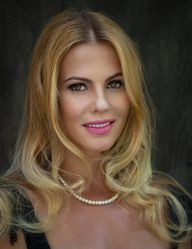
Dr. Fatjona Lubonja
Researcher, Educator & Founder · NeuroEduSA
Researcher, educator, author, and founder of NeuroEdUSA whose work explores neuroscience, education, neurodiversity, health education, and the relationship between the brain, learning, and human behavior.
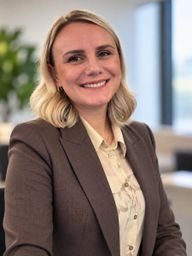
Saranda Aliu
Healthcare Operations Leader · Memorial Sloan Kettering Cancer Center
Healthcare operations and revenue cycle leader with experience spanning healthcare finance, patient access, Epic optimization, and operational improvement across leading health systems.
Technology 4 speakers
Tech and AI: product, engineering, and where the field is going next.

Donald Leka
Founder & CEO · The Jumptuit Group
Founder & CEO of The Jumptuit Group, technology executive, entrepreneur, and inventor specializing in artificial intelligence, data systems, cloud computing, and emerging technologies.
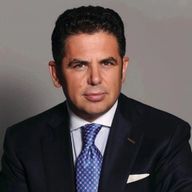
Adrian Shatku
Founder & CEO · UNIFI Communications & UNIFI Capital Group
Founder and technology entrepreneur with more than 25 years of leadership in global telecommunications, digital infrastructure, investment, and emerging AI infrastructure.
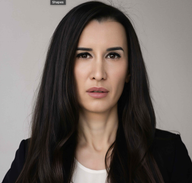
Jona Babi
Product Leader · Google
Product Leader at Google with 15 years of experience building and leading hardware and software products across Google, AWS, Capital One, and Apple.

Enri Zhulati
Entrepreneur
Builds and runs digital marketplaces in energy, travel, and healthcare.
Law 4 speakers
Law and the bar: practice, advocacy, and the path into the profession.

Nick Gjelaj
Trial Attorney | Executive Committee & Board Member, New York State Trial Lawyers Association · Gjelaj Law PLLC
Founder and trial attorney at Gjelaj Law PLLC with more than two decades of experience advocating for injured workers and plaintiffs, with particular expertise in New York construction and Labor Law.

Linda Nikaj
Attorney & Adjunct Professor · Marshall Dennehey
Attorney at Marshall Dennehey, Adjunct Professor, and Founding President of the Albanian-American Women’s Bar Organization, with experience across civil litigation, legal education, mentorship, and community leadership.

Katrina Berishaj
Managing Counsel & Chair, ERISA & Employee Benefits · Stradley Ronon
Managing Counsel and Chair of the ERISA & Employee Benefits practice at Stradley Ronon, advising financial services firms and employers on complex employee benefits, executive compensation, fiduciary, and ERISA matters.

Vera Mjeku
Program Manager, Legislative Division · New York City Council
New York City government professional and civic leader with extensive experience in public administration, policy, advocacy, and Albanian-American community engagement.
Business 5 speakers
Finance and Wall Street: investment banking, capital, and building companies.

Richard Lukaj
Co-Founder & Senior Managing Director · Bank Street Group
Has chaired the National Albanian American Council, and is Honorary Consul of Albania to the United States. Co-founded Bank Street Group; earlier at Bear Stearns. Co-founded the American University in Kosovo.

Eljona Shkreli
Head of Investor Relations · Stratus Financial LLC
Head of Investor Relations at Stratus Financial with over 10 years of experience in private banking, investor relations, capital raising, asset allocation, and relationship management.
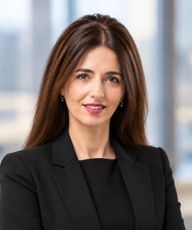
Dr. Sonila Beliu
Managing Director, Head of Model Risk Governance & Review for Chase (CCB) · JPMorgan Chase & Co.
Managing Director and Head of Model Risk Governance & Review for Chase (CCB) at JPMorgan Chase & Co., with extensive leadership experience in financial services, risk modeling, governance, and model risk management.
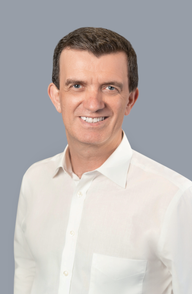
Stefan Kochi
Entrepreneur
Technology entrepreneur, Paytronix co-founder and longtime CTO who helped scale the company into a leading guest-engagement platform. He now advises executives on using artificial intelligence to drive business growth and revenue.
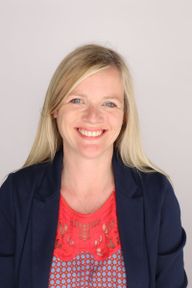
Claire Morrow
Principal & U.S. Market Leader, Global Employer Services · Deloitte
Claire Morrow is a Principal at Deloitte Tax LLP and U.S. Market Leader for Global Employer Services, with more than 25 years of experience advising organizations on global mobility, workforce strategy, tax, immigration, technology, and global equity.
Moderator

Samantha Sarelli
Director, Public Relations & Advocacy · AANO New York
moderatorDirector of Public Relations & Advocacy for AANO New York, legal professional, humanitarian advocate, and public speaker dedicated to community engagement, human rights, and empowering the next generation
Speaker details and photos come from AANO New York and public professional profiles. Something to correct? Tell the organizers.
Sponsors

Vialto Partners
Corporate Sponsor
Vialto Partners is a global leader in mobility and cross-border workforce solutions, helping organizations and their people work successfully around the world. With expertise across immigration, tax, business travel, compensation, remote work, and advisory services, Vialto combines global expertise with technology to make international work simpler and more connected.

Deloitte
Corporate Sponsor
Deloitte is one of the “Big Four” global professional services firms, operating worldwide through the member firms of Deloitte Touche Tohmatsu Limited. It provides audit and assurance, tax, consulting, risk advisory, and financial advisory services to businesses, government agencies, and other institutions, and is among the largest professional services organizations in the world.

ISA Consulting Group
Corporate Sponsor
ISA Consulting Group is a global technology consulting and software development company helping organizations build, scale, and manage high-performing technology teams. With expertise across software engineering, AI and intelligent automation, cloud technology, product development, and digital transformation, ISA connects global talent with organizations building what’s next.

Adi Al Construction INC
Corporate Sponsor
Adi Al Construction INC is a New York construction and remodeling company specializing in residential and commercial projects. The company provides construction, general contracting, construction management, consulting, planning, and remodeling services, with a focus on quality craftsmanship, precision, and long-lasting results.

American Academy of Technology Tirana (AATT)
Education Partner
American Academy of Technology Tirana (AATT) brings American higher education to Albania through its partnership with RIT Kosovo, offering Rochester Institute of Technology programs in Computing & Information Technology and Electrical Engineering Technology. Students benefit from hands-on, career-focused education and graduate with a U.S. diploma issued by Rochester Institute of Technology as well as an Albanian diploma from AATT.
ACE Project Management
Small Business Sponsor
ACE Project Management is a New York City construction project management firm providing project management, owner’s representation, construction management, and value engineering services. The firm works with property owners, developers, and building managers to oversee projects from planning and budgeting through construction and final delivery.
Gjelaj Law PLLC
Small Business Sponsor
Gjelaj Law PLLC is a New York City personal injury law firm representing injured workers and individuals in construction accidents, motor vehicle accidents, and premises liability matters. The firm is particularly recognized for its experience in New York construction and Labor Law and its longstanding advocacy on behalf of workers and their families.

Koleci Law Firm, LLC
Small Business Sponsor
Koleci Law Firm, LLC is a Connecticut-based law firm led by attorney Fatos Koleci, providing legal representation in immigration, business law, litigation, and personal injury matters. Since 1997, the firm has represented individuals, families, and businesses, with extensive experience in immigration matters including asylum, deportation defense, family and employment-based immigration, green cards, naturalization, and immigration appeals.

LogicalNet
Small Business Sponsor
LogicalNet is a managed IT services and cybersecurity provider based in the Albany, New York area, serving businesses across Upstate New York since 1994. Its services include managed IT support, cybersecurity, cloud solutions, and network infrastructure design and management.
The Dema Team: Real Estate Experts
Small Business Sponsor
The Dema Team is a real estate team serving clients with professional guidance throughout the buying, selling, and real estate process. The team is proud to support the Albanian-American community and initiatives that bring students together through education, leadership, and opportunity.
Tenured Wealth Management of Raymond James
Small Business Sponsor
Tenured Wealth Management of Raymond James provides personalized financial planning and wealth management services to individuals, families, and business owners. The team focuses on building long-term relationships and helping clients navigate investments, retirement planning, wealth preservation, and their broader financial goals.

Ervin Lleshi
Small Business Sponsor
Ervin Lleshi, ChFC, RICP, CLU, is a financial advisor with Northwestern Mutual in New York. He works with individuals and families on planning, investments, insurance and wealth management.

NYC Zoning AI
Small Business Sponsor
NYC Zoning AI is a technology platform designed to make New York City zoning information easier to understand and navigate using artificial intelligence. By combining technology with complex real estate and zoning information, the platform helps users access insights and better understand development opportunities across New York City.
American Balkan Chamber of Commerce
Non-Profit Organization
The American Balkan Chamber of Commerce connects businesses, entrepreneurs, and professionals across the United States and the Balkans, fostering economic development, business relationships, investment, and cross-border collaboration while strengthening connections within the Balkan-American community.
Albanian Aviators Worldwide
Non-Profit Organization
Albanian Aviators Worldwide is a nonprofit organization connecting Albanian pilots and aviation professionals around the world. The organization promotes professional connection, shared heritage, and inspiration for the next generation of Albanians interested in aviation.

AlbLibris
Non-Profit Organization
Alblibris brings Albanian-language books and literature to readers across the United States and Canada. Part of Onufri Group, Alblibris offers a wide selection of Albanian literature, international titles translated into Albanian, children’s books, history, biography, and educational works, helping keep Albanian language, literature, and culture accessible to communities across North America.
Albanian American Cultural Center Struga
Non-Profit Organization
The Albanian American Cultural Center, also known as the Albanian American Cultural Center – Struga, is a nonprofit in Riverdale, New Jersey, serving the local Albanian American community. It runs cultural, educational, dramatic-arts, and sports programming for children and young adults, with a focus on preserving Albanian language and culture.
National Albanian Registry (NAR)
Non-Profit Organization
The National Albanian Registry is a 501(c)(3) nonprofit producing a community-led count of Albanian Americans. Anyone of Albanian descent living in the United States can get counted for free, so the community can finally be represented by accurate numbers.
NYPD Illyrian Society
Non-Profit Organization
The NYPD Illyrian Society is a fraternal organization bringing together Albanian and Illyrian-heritage members of the New York City Police Department. The organization promotes leadership, professional connection, cultural heritage, community engagement, and service while empowering its members and supporting future generations.
NeuroEduSA
Non-Profit Organization
NeuroEduSA is an education and outreach organization working at the intersection of neuroscience and education. It focuses on brain health, learning, neurodiversity, and health education, raising awareness of cognitive well-being through education, outreach, and research-based programming.
Albanian American Educators Association (AAEA)
Non-Profit Organization
The Albanian American Educators Association (AAEA) is a nonprofit organization dedicated to building a strong network of educators and promoting education and lifelong learning within the Albanian-American community. AAEA supports educators and students through professional development, educational opportunities, scholarships, community programs, and initiatives that preserve and celebrate Albanian heritage.
Albanian American National Organization - AANO NY Chapter
Host Organization
AANO New York is the New York Chapter of the Albanian American National Organization, a 501(c)(3) nonprofit dedicated to strengthening the Albanian-American community through education, mentorship, professional networking, cultural initiatives, advocacy, and community engagement. As host of the Albanian-American Student Summit, AANO New York is committed to connecting students with accomplished professionals, creating opportunities for mentorship and career development, and investing in the next generation of Albanian-American leaders.
Hosts

Ervin Toro
President, AANO New York · Global Mobility & Immigration Leader
Connect on LinkedIn →
James Beno
Vice President, AANO New York · CPA Candidate
Connect on LinkedIn →
Phillip Foundos
Treasurer · Chief Appraiser - Retired

Nancy Kajo
Secretary, AANO New York · Student
Connect on LinkedIn →
Samantha Sarelli
Director, Public Relations & Advocacy — AANO New York · Legal Assistant
Connect on LinkedIn →
Leona Gjevukaj
ASA Fordham Co-President & Summit Co-Host · Student, Pre-Medical Track
Connect on LinkedIn →
Art Lecaj
ASA Fordham Co-President & Summit Co-Host · Student, Finance Major
Connect on LinkedIn →Distinguished Guests & Community Leaders
We're honored to welcome accomplished professionals, civic leaders, executives, entrepreneurs, and community leaders who join our students throughout the day for networking and conversation.

Louis Foundos
Entrepreneur, Investor & Business Leader · American Academy of Technology Tirana (AATT)
Read bio →
Louis “Lou” Foundos is a seasoned entrepreneur, investor, and business leader with decades of experience building companies, investing in real estate, and supporting economic development in Albania. A Harvard Business School MBA, he has led and grown successful businesses in the technology and instrumentation industries and has made significant investments in both the United States and Albania. Lou currently serves on the Board of the American Academy of Technology in Tirana (AATT) and has a long history of philanthropic and community involvement, including helping found the National Albanian American Council.

Nevila Dudaj
Founder, CEO & Hospitality Entrepreneur · Adriatik Tours | Hotel Adriatik | American Balkan Chamber of Commerce
Read bio →
Nevila Dudaj is an award-winning entrepreneur and hospitality leader with more than 24 years of experience in tourism, business development, and luxury hospitality. She is the Founder & CEO of Adriatik Tours, Owner & General Manager of the historic five-star Hotel Adriatik in Durrës, Albania, and President of the American Balkan Chamber of Commerce of New York. A passionate advocate for entrepreneurship and women in business, Nevila is committed to creating opportunities, strengthening U.S.-Balkan business connections, and mentoring the next generation of leaders.

Avni Mustafaj
International Relations & Public Affairs Executive
Read bio →
Avni Mustafaj is an international relations and public affairs executive with more than three decades of experience spanning nonprofit leadership and higher education, with extensive work in Washington, D.C., Kosovo, and Albania. He served as both President and Executive Director of the National Albanian American Council (NAAC), working with senior U.S. government officials, members of Congress, policymakers, and community leaders on issues affecting Albanians in the Balkans and the United States. He represented the Republic of Kosovo in Washington; served as Deputy Director of RIT Kosovo; and was Executive Director of the Open Society Foundation for Albania. Throughout his career, he has built institutions, developed strategic partnerships, and connected leaders and organizations across government, civil society, higher education, business, and philanthropy in the United States and the Balkans.